
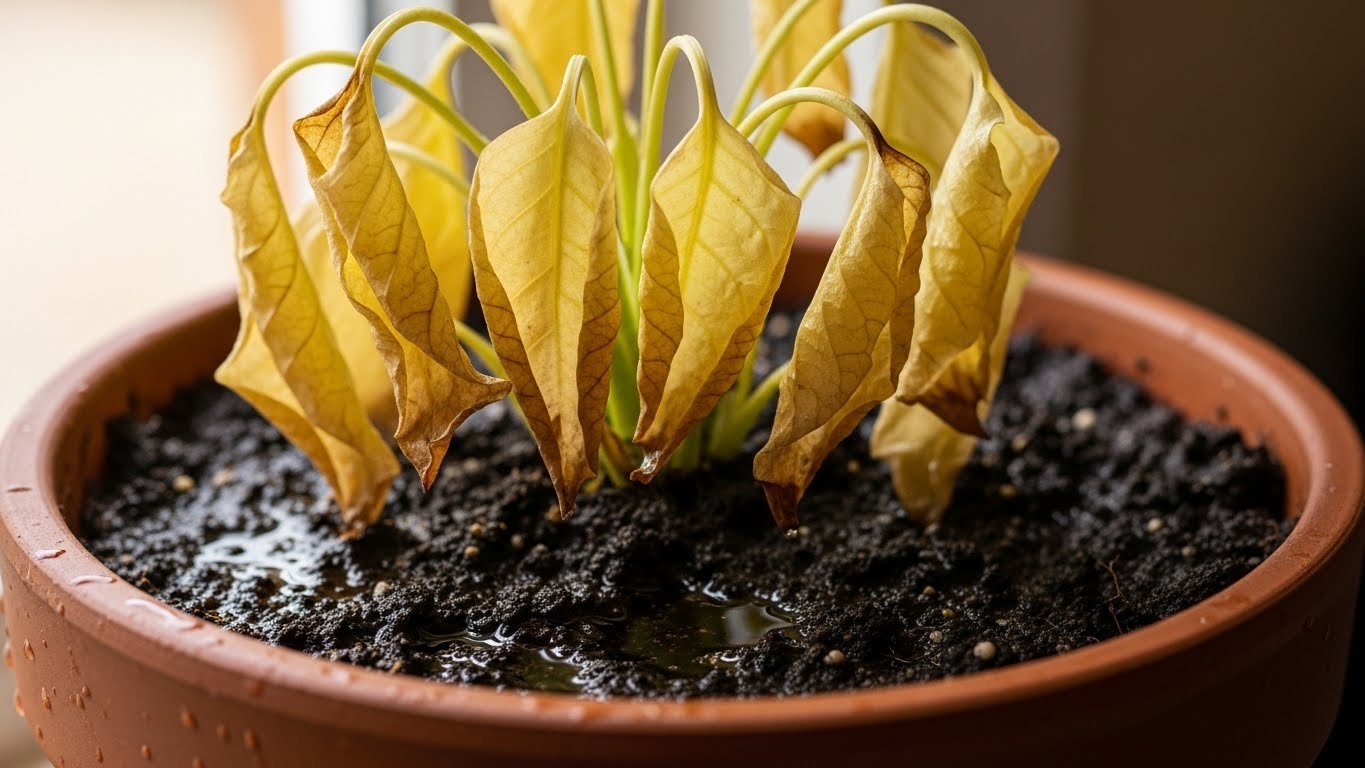
Overwatered plants signs are often misunderstood — and that misunderstanding is exactly why so many plants don’t survive.
When a plant looks droopy or weak, most people instinctively reach for the watering can. Unfortunately, that reaction often makes the problem worse. Overwatering doesn’t just “stress” a plant — it slowly suffocates the roots, cutting off oxygen and creating the perfect environment for rot.
This guide breaks down:
- The early and late signs of overwatered plants
- How to rescue plants step by step
- How to adjust your habits so this never happens again
Everything here applies to both indoor and outdoor plants, including vegetables.
Understanding overwatered plants signs early makes the difference between a quick recovery and permanent root damage.
Overwatered Plants Signs: Early Warning Symptoms Most People Miss
Overwatering damage doesn’t happen overnight. It builds quietly.
Leaf changes you’ll notice first
- Leaves lose firmness and feel soft to the touch
- Yellowing starts at lower leaves, not the top
- New growth looks smaller or pale
- Leaves droop even though soil is wet
A key clue:
Overwatered plants often look thirsty, even when they’re drowning.
This is because damaged roots can’t absorb water properly anymore.
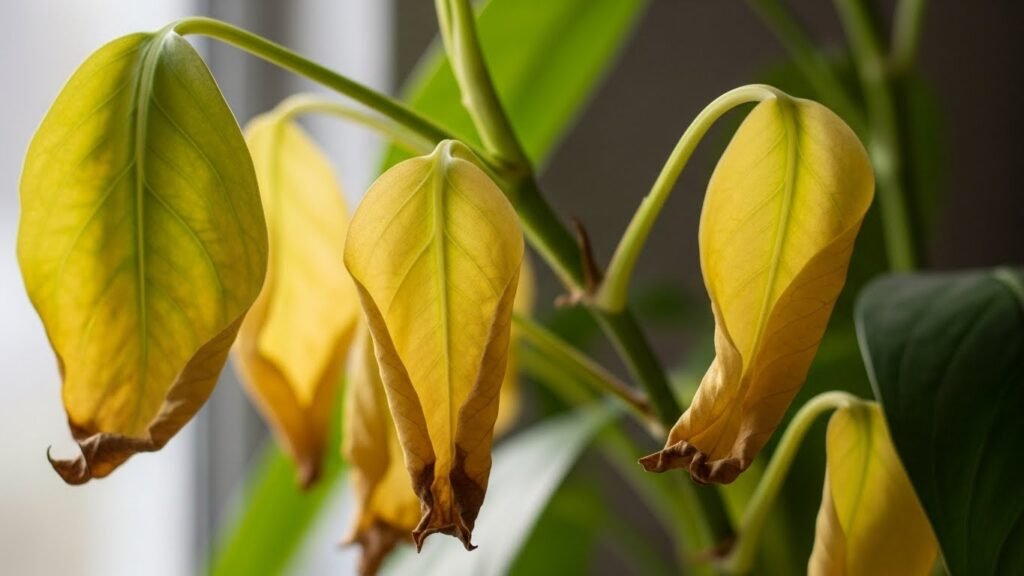
Soil clues that confirm overwatering
- Soil feels cold and heavy, even days after watering
- Water pools on the surface instead of soaking in
- A faint sour or musty smell develops
- Fungus gnats appear around the pot
Healthy soil should feel slightly moist — not sticky or muddy.
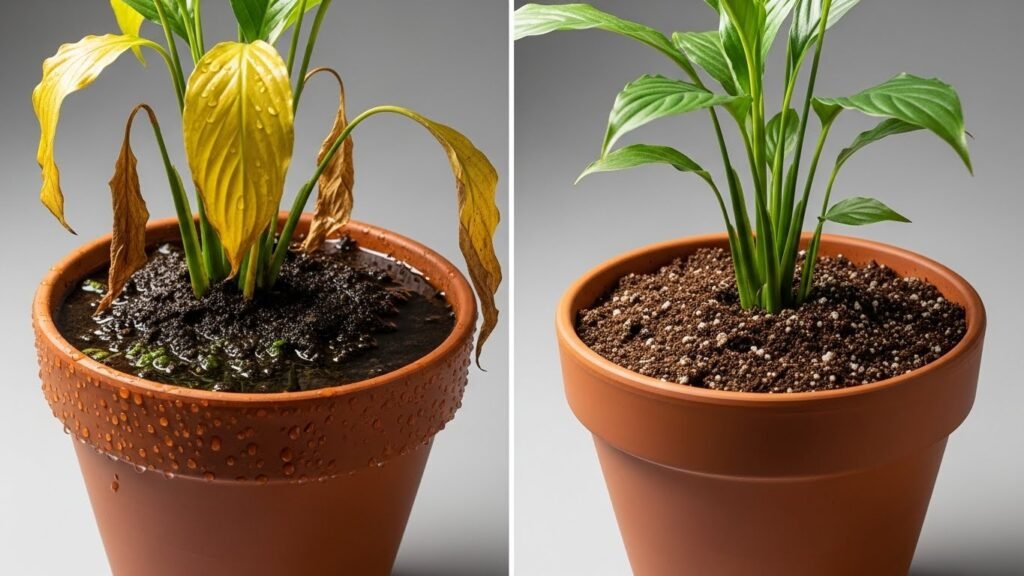
Late Signs (These Mean Urgent Action)
If overwatering continues, damage moves below the surface.
Root symptoms
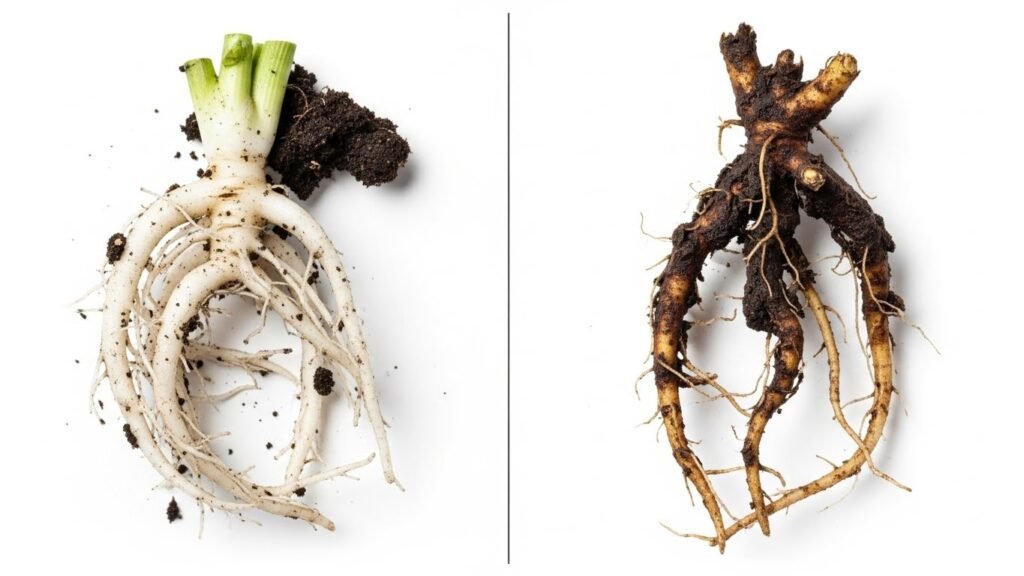
- Roots turn brown or black
- Texture becomes mushy instead of firm
- Soil smells rotten when removed from pot
Once roots rot, the plant cannot “drink” properly — even if surrounded by water.
According to the University of Maryland Extension, symptoms of overwatering can include wilting, yellowing, and leaf drop due to reduced oxygen around the roots.
How to Rescue Overwatered Plants (Realistic, Step-by-Step)
Rescuing an overwatered plant depends on how far the damage has gone.
Step 1: Stop watering immediately
This sounds obvious, but it’s critical.
Even “just a little water” continues root stress. Let the soil dry until the top few inches feel dry.
Step 2: Improve airflow and light
- Move plants to bright, indirect light
- Increase air circulation
- Avoid dark, stagnant corners
This helps excess moisture evaporate naturally.
Step 3: Check the roots (if symptoms are severe)
If yellowing continues or soil smells bad:
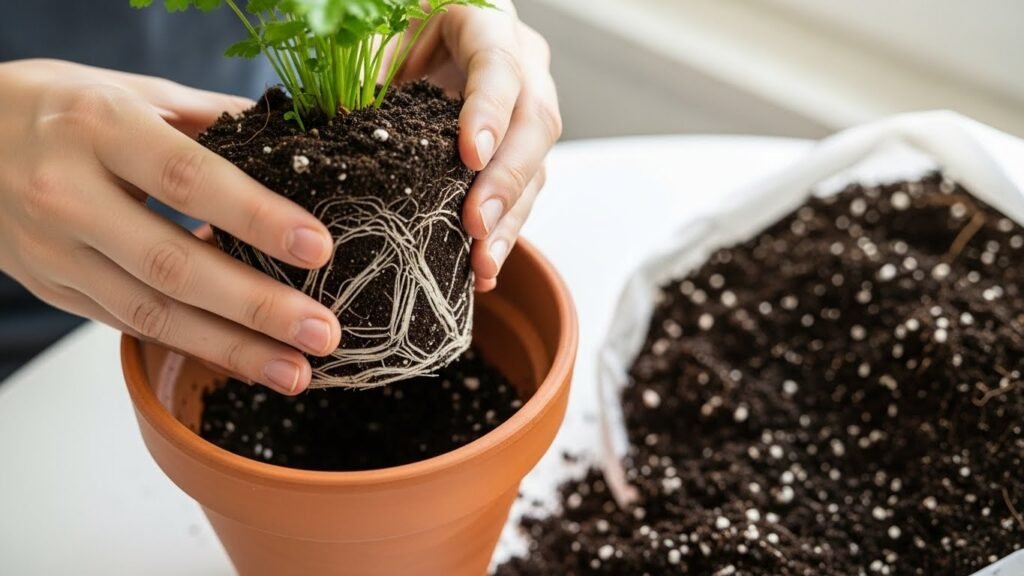
- Gently remove the plant from its pot
- Rinse soil off roots
- Trim any black or mushy roots with clean scissors
- Keep only firm, white roots
This step feels scary, but it often saves the plant.
Extension sources like Iowa State University Extension explain that root rot from overwatering often presents with brown, mushy roots that fail to support the plant, and that prevention relies on well-drained soil and proper watering habits.
Step 4: Repot properly
- Use fresh, well-draining soil
- Choose a pot with drainage holes
- Do not fertilize yet
Stressed roots cannot handle fertilizer.
Most plants that still have healthy roots begin improving within 1–3 weeks.
Common Overwatering Mistakes (Very Common)
- Watering on a fixed schedule
- Using decorative pots without drainage
- Using outdoor garden soil indoors
- Watering more when leaves droop
- Ignoring seasonal changes
How to Prevent Overwatering (Long-Term Fixes)
Prevention is mostly about changing habits, not buying products.
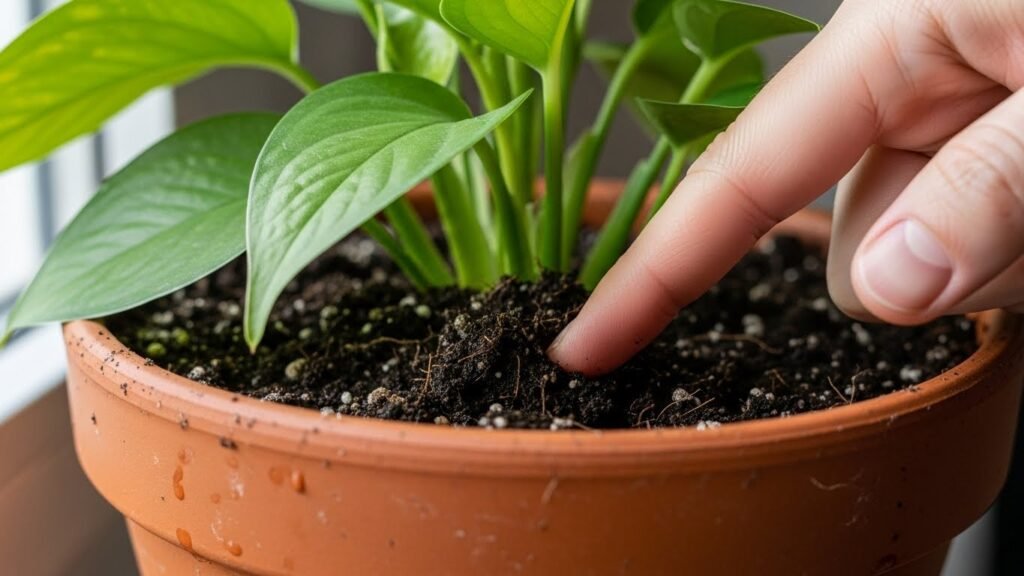
Check soil — not the calendar
Always test soil 2–3 inches deep.
If it still feels cool and moist, wait.
Match watering to season
- Winter: slower growth = less water
- Summer: faster drying = more frequent checks
Most overwatering happens in cool or low-light conditions.
Use the right containers
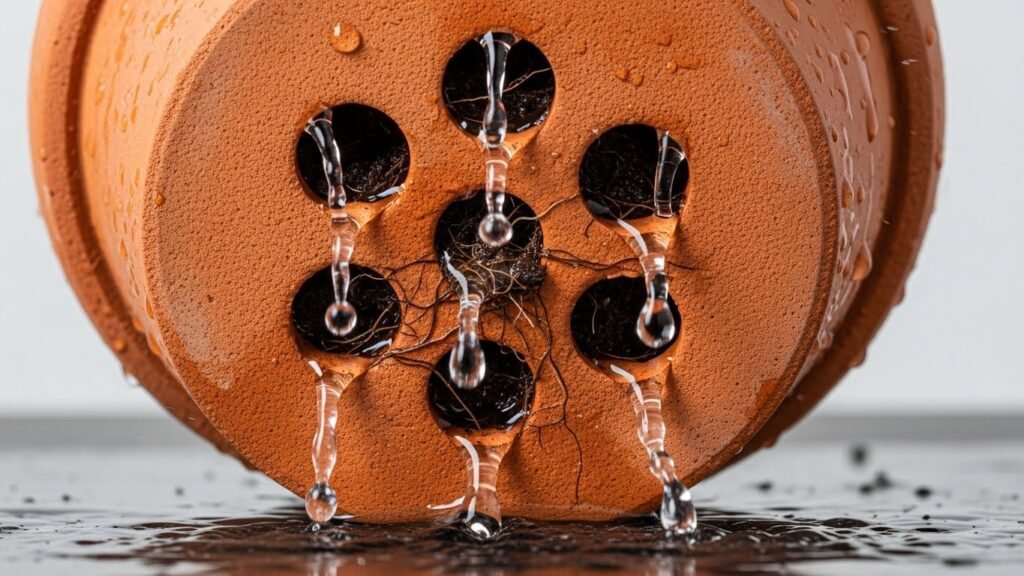
- Drainage holes are non-negotiable
- Empty saucers after watering
- Avoid pots that trap water at the bottom
Improve soil structure
Add materials that increase air space:
- Perlite
- Bark
- Coarse compost
Roots need oxygen as much as water.
Indoor vs Outdoor Overwatering (Important Differences)
Indoor plants
- Drainage problems are more common
- Low light slows water use
- Heating systems dry air, not soil
Learn More About Indoor Plants.
Outdoor & vegetable plants
- Rain contributes to overwatering
- Clay soil worsens drainage issues
- Raised beds dry faster but can still be overwatered
Learn More About Vegetable Gardening.
Frequently Asked Questions
Can overwatered plants recover?
Yes — if healthy roots remain. Early action makes recovery much more likely.
How long does recovery take?
Usually 1–3 weeks, depending on damage and plant type.
Should I fertilize an overwatered plant?
No. Wait until you see new, healthy growth.
Conclusion
Understanding overwatered plants signs helps you intervene before damage becomes permanent.
Most plant losses from overwatering aren’t caused by carelessness — they’re caused by good intentions applied at the wrong time.
By checking soil, improving drainage, and adjusting watering habits, you can keep both indoor and outdoor plants healthy for the long term.
1 Comment
Pingback: How Often to Water Indoor Plants (Complete Beginner’s Guide)