
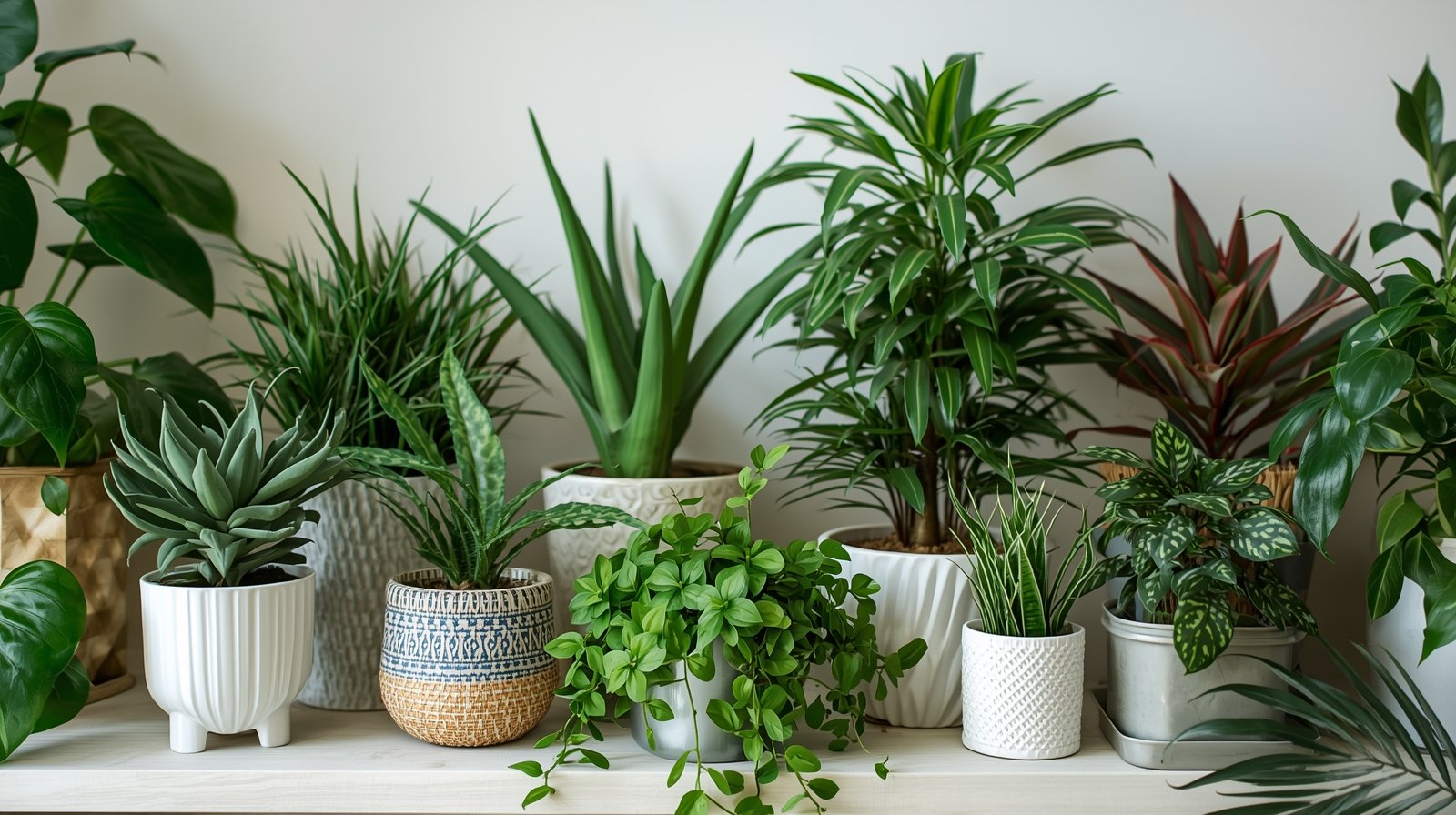
Air purifying plants are indoor greenery—like the Snake Plant or Peace Lily—that use their leaves, roots, and surrounding soil microorganisms to naturally absorb and metabolize common indoor air pollutants, such as formaldehyde and benzene. Though they offer a modest reduction in these volatile organic compounds (VOCs) and enhance home aesthetics, the primary wellness benefits come from their stress-reducing, mood-boosting, and humidifying effects.
What Are Air Purifying Plants?
Air purifying plants are simply common houseplants that have been shown to naturally remove trace amounts of Volatile Organic Compounds (VOCs)—harmful chemicals released by everyday items—from the air.
This concept gained popularity after the famous 1989 NASA Clean Air Study, which demonstrated that certain plants, like the Snake Plant and Peace Lily, could filter chemicals like formaldehyde and benzene in sealed laboratory chambers. While you’d need a significant number of plants to match the air exchange rate of a well-ventilated home, these plants still play an invaluable role in a people-first home by bringing nature indoors, improving aesthetic quality, and promoting mental well-being.
How Air Purifying Plants Improve Home Beauty and Wellness
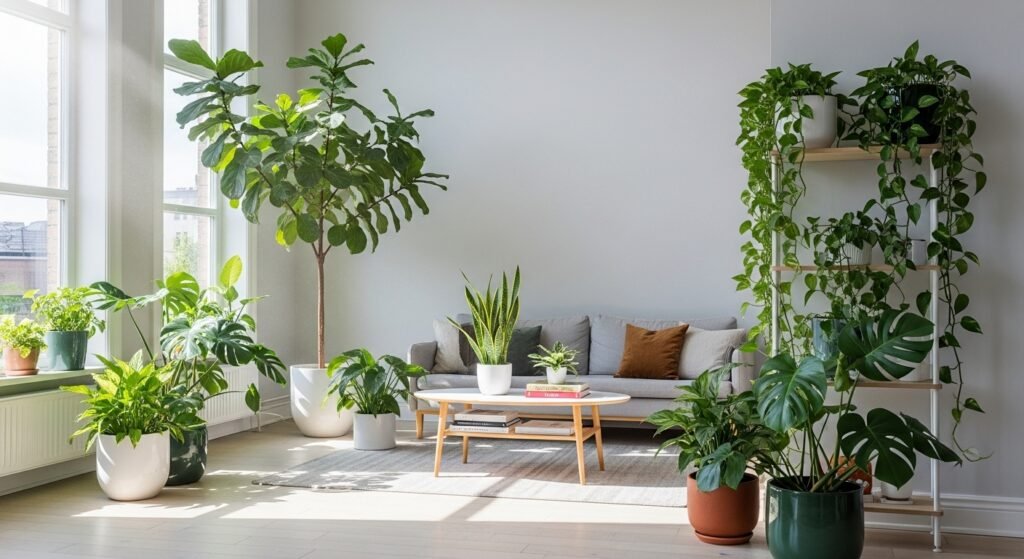
Bringing real greenery into your space is much more than decoration. You are creating in your home something that is lively, cozy, and peaceful. Houseplants look nice, but they also have benefits for one’s mind and body.
Why Plants Matter for Your Home
They make rooms look beautiful.
The addition of greenery, such as a Rubber Plant or Dracaena, can completely change how a room feels. Their bright leaves and nice shapes add warmth and life indoors. They will turn an empty corner into a beautiful and relaxing area.
They Help Your Mind
Just being around the plants lowers the stress and keeps one’s mind calm. According to various researches, it is proved that indoor plants reduce worry by soothing the mind and improve concentration. Especially during winter days when it remains cold outside, the greenery inside makes the days long and simple, nice, and happy.
They Keep the Air Fresh and Wet
Plants slowly release moisture through their leaves. This adds humidity to dry air. During winter, when heaters are used, this helps to prevent dry skin and scratchy throats and minor breathing problems.
They not only add beauty, but they also make your mind, body, and your house air fresher. They keep your house lively, peaceful, and naturally beautiful every day.
Benefits of Keeping Air Purifying Plants Indoors
| Superpower (The Benefit) | Why It’s Awesome (The Wellness Effect) | Plant Pals to Try (Top Plant Examples) |
| Clean Up Your Air (VOC Reduction) | These little heroes actually sniff out and destroy tiny bits of nasty stuff (like formaldehyde and benzene) from your furniture and cleaners! Bye-bye toxins! | Snake Plant, Peace Lily |
| Banish Dry Air (Boosts Humidity) | They’re like a natural humidifier, pumping moisture back into the air! Say hello to happier skin and less stuffy sinuses all winter long. | Boston Fern |
| Instant Calm (Stress Relief) | Just looking at something green connects you to nature and gives your brain a little break. Seriously, it’s a free therapy session you can water. | Any indoor plant! |
| Fresh Air, All Day (Oxygen Production) | Plants are working 24/7 to turn that stale CO₂ into the fresh oxygen you need. It’s a literal breath of fresh air. | Aloe Vera |
| Make Your Space Look Good (Natural Décor) | They just instantly make any room feel more welcoming, alive, and stylish. The ultimate low-effort, high-impact décor choice! | Rubber Plant |
Top Air Purifying Plants for a Beautiful and Healthy Home
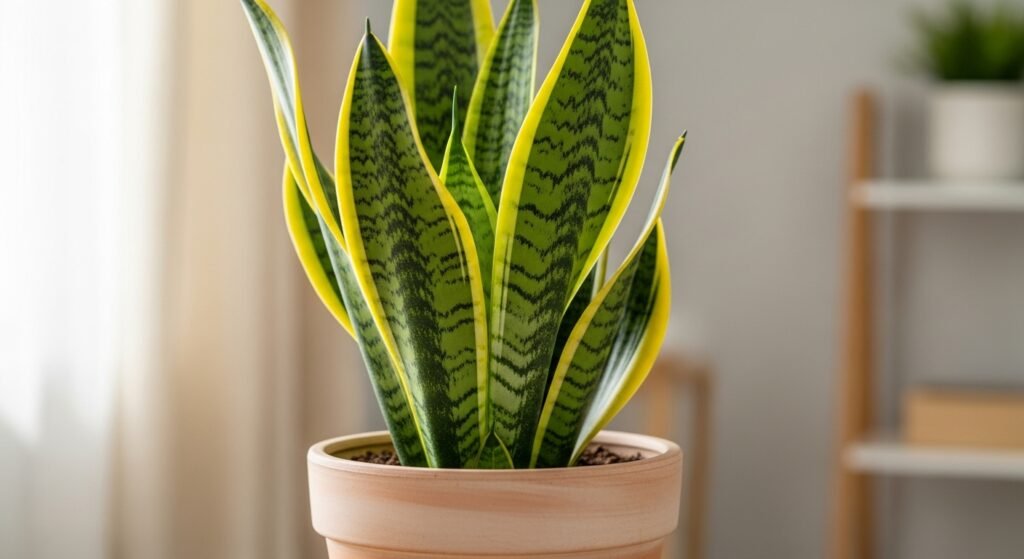
1. Snake Plant (Sansevieria trifasciata)
Why it’s great: Extremely hardy and almost impossible to kill, Snake Plants can survive low light, drought, and neglect. They release oxygen at night, making them ideal for bedrooms.
Benefits: Filters harmful toxins like formaldehyde, benzene, and xylene. Helps improve air quality and may reduce allergens. Its vertical, sword-like leaves make it perfect for modern or minimalistic interiors.
Care Tips: Water only when soil is completely dry. Thrives in bright or indirect light but tolerates low-light conditions. Avoid overwatering to prevent root rot.
2. Peace Lily (Spathiphyllum)
Why it’s great: Peace Lilies are elegant with glossy leaves and signature white blooms. They visually indicate when they need water by drooping, which makes them great for beginners.
Benefits: Removes ammonia, trichloroethylene, and other indoor toxins. Reduces airborne mold spores and contributes to a calming, natural vibe.
Care Tips: Keep soil consistently moist but not soggy. Place in low to medium indirect light. Clean leaves occasionally to maintain shine.
3. Spider Plant (Chlorophytum comosum)
Why it’s great: Very easy to grow, Spider Plants produce small offshoots, called “pups,” which can be propagated to create new plants. Non-toxic to pets.
Benefits: Filters formaldehyde and carbon monoxide, making indoor air cleaner and safer. Adds a lush, playful look with its arching leaves.
Care Tips: Thrives in bright, indirect light but tolerates low-light spaces. Water moderately, allowing the soil to dry slightly between watering.
4. Bamboo Palm (Chamaedorea seifrizii)
Why it’s great: This palm’s elegant, feathery fronds add a tropical touch to indoor spaces while naturally humidifying the air.
Benefits: Removes benzene and trichloroethylene. Adds moisture to the air, which can help reduce dry skin and respiratory discomfort.
Care Tips: Prefers indirect sunlight or slight shade. Keep soil consistently moist, and avoid letting it dry out completely.
5. Aloe Vera
Why it’s great: Aloe Vera is a dual-purpose plant—it purifies the air and has soothing gel inside its leaves for minor cuts and burns.
Benefits: Filters formaldehyde and benzene. Adds a natural oxygen boost to indoor spaces.
Care Tips: Bright, direct sunlight is ideal. Water deeply but infrequently, allowing soil to dry completely between waterings.
6. Rubber Plant (Ficus elastica)
Why it’s great: Large, shiny leaves make it both a powerful air purifier and a decorative statement in your home.
Benefits: Removes benzene and other toxins. Adds greenery and modern elegance to living areas.
Care Tips: Prefers bright, indirect light. Wipe leaves occasionally to keep them clean and dust-free. Water when the top inch of soil feels dry.
7. Boston Fern (Nephrolepis exaltata)
Why it’s great: Boston Ferns are lush, full, and soft, making them ideal for shelves, hanging baskets, or corners of your home.
Benefits: Increases humidity, which helps ease dry skin, sinus irritation, and respiratory issues. Removes indoor pollutants.
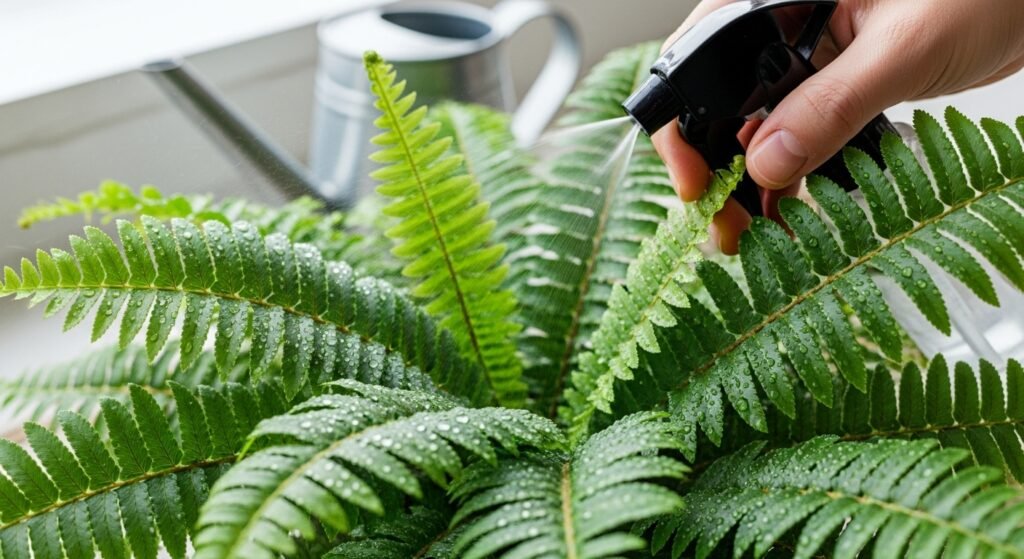
Care Tips: Keep soil damp and maintain high humidity. Place in indirect sunlight and mist leaves regularly.
8. Areca Palm (Dypsis lutescens)
Why it’s great: Tropical and elegant, the Areca Palm brings life to any room and naturally humidifies the air.
Benefits: Filters xylene and toluene. Enhances indoor air moisture, promoting comfort in dry environments.
Care Tips: Place in bright, indirect light. Mist leaves regularly, and keep soil slightly moist.
9. Dracaena (Dracaena marginata, Dracaena fragrans)
Why it’s great: Dracaenas are tall, architectural, and visually striking, perfect for filling empty corners.
Benefits: Removes benzene, formaldehyde, and trichloroethylene. Adds height and greenery to living rooms and offices.
Care Tips: Tolerates low to medium indirect light. Avoid direct sunlight. Water when the top layer of soil dries out.
10. Weeping Fig (Ficus benjamina)
Why it’s great: Adds a tree-like elegance indoors with slender branches and shiny leaves.
Benefits: Filters formaldehyde, xylene, and toluene. Enhances indoor aesthetics while improving air quality.
Care Tips: Place in a bright area and avoid moving frequently. Water when the top inch of soil feels dry.
11. Lady Palm (Rhapis excelsa)
Why it’s great: Low-light tolerant and easy to maintain, Lady Palms are perfect for living rooms or hallways.
Benefits: Removes ammonia, formaldehyde, and xylene from indoor air. Adds texture and greenery to small or medium spaces.
Care Tips: Thrives in a range of light conditions. Water when the soil feels slightly dry.
12. English Ivy (Hedera helix)
Why it’s great: Ivy is versatile—it can climb walls, trail from baskets, or decorate trellises.
Benefits: Reduces airborne mold and improves indoor air quality. Helps keep your home cleaner naturally.
Care Tips: Prefers cooler temperatures and consistently moist soil. Avoid direct sunlight.
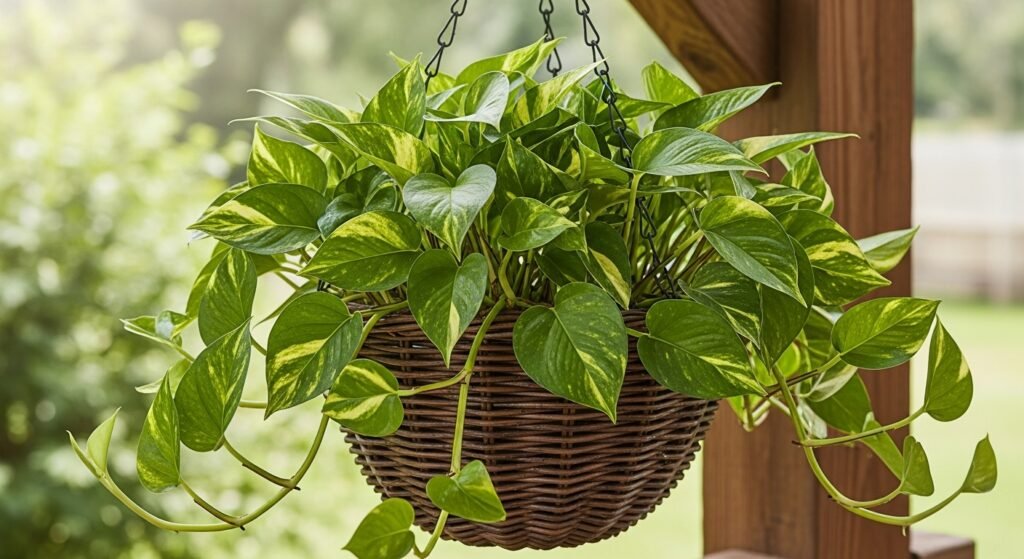
13. Golden Pothos (Epipremnum aureum)
Why it’s great: Extremely easy to grow and very forgiving, Golden Pothos can trail from shelves or hang beautifully from pots.
Benefits: Filters benzene, formaldehyde, and xylene. Tolerates low-light areas, perfect for beginners.
Care Tips: Allow soil to dry completely between waterings. Thrives in indirect light.
14. Chinese Evergreen (Aglaonema)
Why it’s great: Decorative, patterned leaves make it a visually appealing choice for any room.
Benefits: Removes benzene and formaldehyde. Survives in low-light conditions, making it great for offices or dim rooms.
Care Tips: Prefers moderate humidity. Mist occasionally or group with other plants for moisture.
15. Fennel Fern (Asparagus densiflorus ‘Sprengeri’)
Why it’s great: Feathery and soft, adds natural texture and charm to your indoor spaces.
Benefits: Filters indoor pollutants; soft foliage creates a soothing ambiance.
Care Tips: Keep soil slightly moist; avoid direct sunlight. Prefers bright, indirect light.
16. Majesty Palm (Ravenea rivularis)
Why it’s great: Elegant and tropical, adds a luxurious feel to larger rooms.
Benefits: Filters indoor toxins while adding lush greenery and height to your space.
Care Tips: Requires bright light and even watering. Protect from drafts and dry air.
17. Corn Plant (Dracaena fragrans ‘Massangeana’)
Why it’s great: Vertical, bold leaves make it perfect for corners or empty spaces.
Benefits: Removes formaldehyde and benzene from indoor air. Low-light tolerant.
Care Tips: Allow top 2 inches of soil to dry before watering. Prefers indirect light.
18. Heartleaf Philodendron (Philodendron hederaceum)
Why it’s great: Fast-growing vine that can trail or climb, adding greenery anywhere.
Benefits: Filters formaldehyde. Great for shelves, hanging baskets, or training along walls.
Care Tips: Let soil dry between watering; very forgiving for beginners.
19. Lady Finger Palm (Rhapis humilis)
Why it’s great: Compact and elegant; ideal for small apartments or offices.
Benefits: Removes xylene and ammonia. Adds a touch of tropical sophistication.
Care Tips: Bright, indirect light; keep soil slightly moist.
20. Warneckii Dracaena (Dracaena deremensis)
Why it’s great: Striking striped leaves make it visually appealing and dramatic indoors.
Benefits: Filters formaldehyde and benzene. Survives in low-light areas.
Care Tips: Water sparingly to prevent root rot; indirect light preferred.
Best Low-Maintenance Air Purifying Plants for Beginners
You need plants that can survive on neglect if you are a beginner or have a busy schedule.
ZZ Plant (Zamioculcas zamiifolia): this can tolerate incredible drought and extremely low light. Filters out xylene and toluene. A real “set it and forget it” plant.
Pothos (Epipremnum aureum)-Golden Pothos: Fast-growing, trailing vine looks great hung from shelves. Can take low light and infrequent watering while filtering many of the common VOCs. (Internal link: Pothos: The Ultimate Low-Light Houseplant Guide)
Aloe Vera: the powerful succulent that gets rid of formaldehyde and benzene. It’s also dual-purpose: the gel inside is a natural remedy against burns. It needs a very sunny spot!
How to Choose the Right Air Purifying Plants for Your Space
Consider these three key factors in your home before buying it:
Light Conditions: This is the most crucial factor. Match the plant’s needs to your room’s exposure; north-facing means low light, while south-facing means bright and direct light. For instance, Snake Plants can tolerate poor light, while Aloe Vera needs a window with plenty of sun.
Toxicity (Pet Safety): If you’ve got curious pets or little kids, it is better to opt for non-toxic varieties like the Spider Plant, Boston Fern, and Areca Palm. Plants such as the Peace Lily or Pothos should be avoided, for these are toxic upon ingestion.
Space and Decor: Consider the maturity size of the plant. A large Rubber Plant can make a great floor statement, while a small Aloe Vera can sit beautifully on a windowsill. Choose foliage and pot styles that fit your home’s current décor.
Best Herbs for Growing Indoors on a Budget (Beginner Friendly)
Where to Place Air Purifying Plants for Maximum Effect
But it not only looks great, it also helps maximize the limited air filtration they provide.
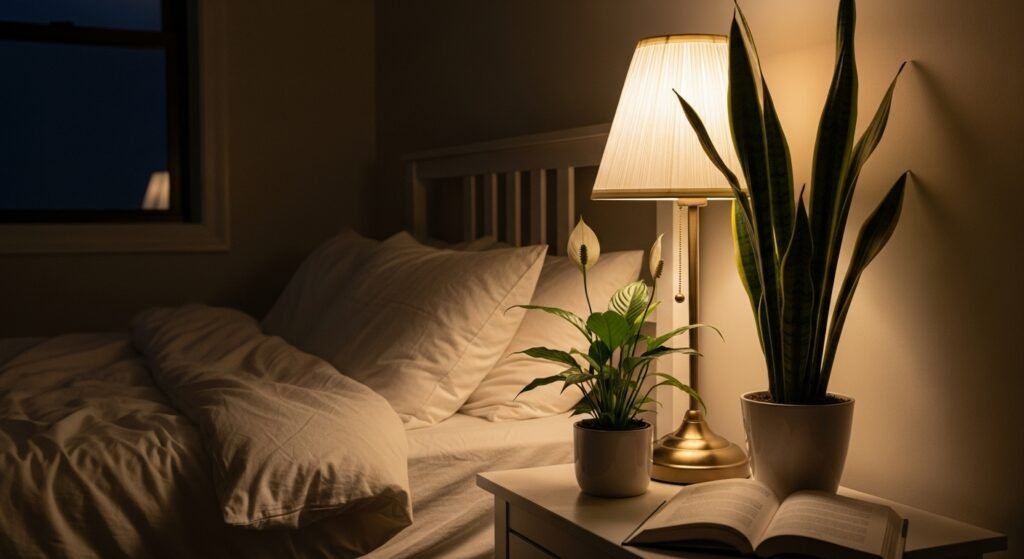
Bedroom: Place a Snake Plant or Orchid here, since both are among those few plants that release oxygen at night through Crassulacean Acid Metabolism.
Kitchen/Laundry Room: Places where more household cleaners, glues, and varnishes may be used. Place the Peace Lily or Golden Pothos here to target ammonia, formaldehyde, and other VOCs.
Home Office: Plants help improve concentration and productivity. A Spider Plant or English Ivy on the desk will also help reduce stress and the trace amounts of chemicals off-gassing from new furniture or electronics.
Garage Entry/Mudroom: These areas can be subject to auto-exhaust and fumes. Bamboo Palms are excellent at reducing common automobile-related VOCs.
Caring for Air Purifying Plants: Light, Water, and Soil Needs
Healthy plants are the most effective plants. Here’s a general guide for thriving indoor greenery:
Light: Most indoor plants do best in bright, indirect light. Avoid intense, direct midday sun, which can scorch the leaves, and avoid placing plants in dark corners unless they are low-light tolerant, like the ZZ Plant.
Water: The biggest mistake is overwatering. Always check the soil before adding water. For most plants the top inch or two of soil should be dry to the touch before you water again. When you do water, soak the plant until water runs out the drainage hole, then empty the excess from the saucer.
Soil: Use a high-quality, well-draining potting mix. For succulents like Aloe Vera, mix in extra perlite or sand to improve drainage. Make sure there is a drainage hole in each pot-it’s not optional if you want the plants to stay healthy. (Link to an internal article: Essential Tools for U.S. Indoor Gardeners)
Common Mistakes to Avoid When Growing Air Purifying Plants
Even experts make these slip-ups, but catching them early can save your plants:
How to Plant in Pots Without Drainage Pooling water in the bottom will cause root rot-the primary cause of death among houseplants. You can plant directly into a pot with a hole or keep it in its nursery pot and place that inside a pretty decorative planter.
Repotting Too Soon: Many people repot a new plant immediately into a huge new container. This gives the roots way too much room and soil, which holds excess moisture again and runs the risk of root rot. Only repot when the roots are actively circling the bottom of the pot.
Pests and Diseases That Affect Air Purifying Plants
Not typical, but watch for the following and address promptly to keep plants healthy:
Pests: Fungus gnats-small black flies hovering around the soil, usually a result of overwatering; spider mites-fine webs on leaves, especially when the environment is too dry; and mealybugs-small, cotton-like patches on the plant. Immediately treat with neem oil or insecticidal soap.
Diseases: The main enemy is root rot, soft, mushy, brown roots from overwatering. Give your plant less water, and improve the drainage if this is happening to your plant.
31 Best Companion Plants for Tomatoes Optimal Health
Seasonal and Climate Tips for U.S. Indoor Plant Care
Indoor conditions in the U.S. can fluctuate wildly, especially between summer and winter months.
Winter Care (Heating Season): The air is usually much drier because of the forced air heat. Group plants together to create a micro-humidity zone or place near a small humidifier. Avoid placing plants near heating/cooling vents and cold window drafts.
Summer Care (Active Growth): Plants are actively growing, and may require more frequent watering and a light, balanced fertilizer every 4-6 weeks. Take care to provide protection from intense afternoon sun; Southern & Southwestern states especially need protection from strong afternoon sun.
Seasonal Repotting: Repotting can be done any time of the year, but it is best done in spring just as the days are getting longer and it is beginning its active growing season.
FAQs About Air Purifying Plants
Air purifying plants in a home really clean the air?
While laboratory studies, like the NASA Clean Air Study, can show plants are capable of VOC absorption, the U.S. Environmental Protection Agency cites that, in a typical home with normal ventilation, hundreds of plants would be needed to achieve the same pollutant removal rate as occurs in these controlled laboratory environments. Their main benefits are psychological, aesthetic, and control of local humidity-all vital for a sense of well-being.
How many air purifying plants do I need per room?
Original NASA research recommended about one plant in a 6- to 8-inch pot per 100 square feet. Focus less on the number but more on placement and health. Use 3-5 healthy plants in your main living areas and focus on keeping them vibrant and clean.
Are air purifying plants safe for pets?
Some of the best air cleaners are toxic to cats and dogs when ingested, such as Peace Lily and Pothos. If you have pets, opt for non-toxic plants, which include the Spider Plant, Parlor Palm, Bamboo Palm, and African Violet. Always check if the plant is toxic or not before bringing it into your pet-friendly home.
Should I worry about mold in the soil?
The occasional white or yellow mold on the surface of the soil is generally harmless. It just means that the soil is consistently moist and you may be overwatering it. To fix this, let the soil completely dry out between waterings and scrape off the top layer of moldy soil. This problem doesn’t generally occur if you have good drainage and water correctly.
Can air purifying plants grow in low light?
Yes — snake plant, pothos, and ZZ plant do well in dim rooms.
2 Comments
Pingback: 10 Magical Christmas Garden Decoration Ideas for 2025
Pingback: How Often to Water Indoor Plants (Complete Beginner’s Guide)