Close Menu
GardenDune | Practical Gardening Tips for Real HomesGardenDune | Practical Gardening Tips for Real Homes

    Subscribe to Updates

    Get the latest creative news from FooBar about art, design and business.

    What's Hot

    Winter Isn’t Killing Your Indoor Plants. This Is

    January 30, 2026

    Your Indoor Plants Are Dying Slowly. Most People Miss This Sign

    January 28, 2026

    15 Winter Indoor Plant Care Tips to Keep Your Plants Healthy

    January 2, 2026
    Facebook X (Twitter) Instagram
    Sunday, March 1
    Trending
    • Winter Isn’t Killing Your Indoor Plants. This Is
    • Your Indoor Plants Are Dying Slowly. Most People Miss This Sign
    • 15 Winter Indoor Plant Care Tips to Keep Your Plants Healthy
    • How Often to Water Indoor Plants (Complete Beginner’s Guide)
    • Winter Indoor Plant Care Checklist (USA, Canada & Europe)
    • Overwatered Plants: Signs, Rescue & Prevention
    • Raised Bed Garden Mistakes: Easy Fixes That Save Vegetables
    • Spring Gardening Checklist USA: What to Do by Climate Zone
    GardenDune | Practical Gardening Tips for Real HomesGardenDune | Practical Gardening Tips for Real Homes
    • Home
    • Gardening Guides
      • Seasonal Gardening
      • Raised Bed Gardening
      • Indoor Gardening
      • Cold Climate Gardening
    • Indoor Plants
      • Indoor Plant Care
      • Low Light Plants
      • Winter Indoor Gardening
      • Grow Lights Guide
    • Vegetables
      • Raised Bed Vegetables
      • Companion Planting
      • Vegetable Care Guides
      • Garden Mistakes & Fixes
    • Seasonal
      • Spring Gardening
      • Fall Gardening
      • Winter Gardening
      • USDA Growing Zones
    • Problems
      • Overwatered Plants
      • Plant Diseases
      • Garden Pests
      • Soil Problems
    • Ideas
      • Small Garden Ideas
      • Balcony Gardening
      • Container Gardening
      • Vertical Gardens
    GardenDune | Practical Gardening Tips for Real HomesGardenDune | Practical Gardening Tips for Real Homes
    Home»Indoor Plants»Your Indoor Plants Are Dying Slowly. Most People Miss This Sign
    Indoor Plants

    Your Indoor Plants Are Dying Slowly. Most People Miss This Sign

    January 28, 20264 Mins Read
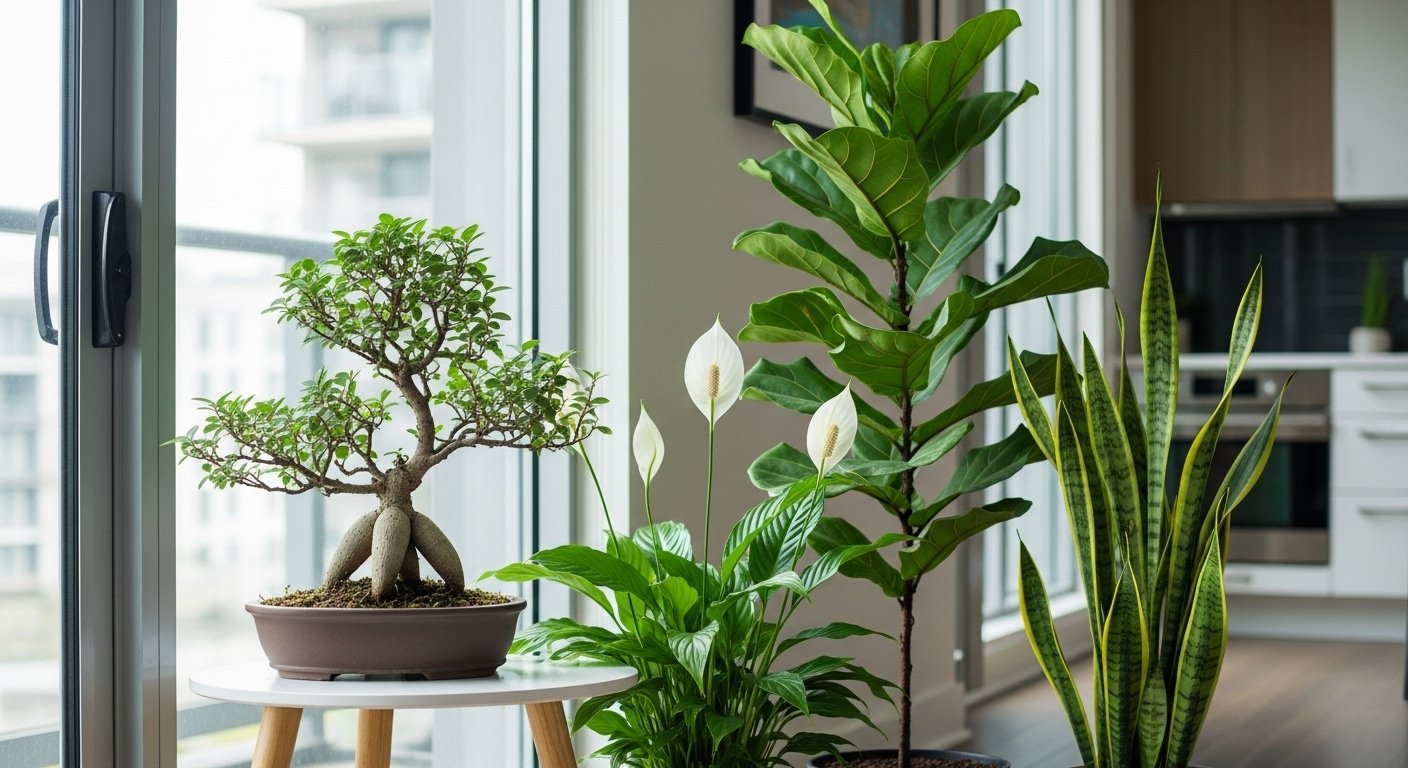
    Stylish indoor corner with Kamini bonsai, fiddle leaf fig, peace lily, and snake plant near a bright window
    A calm, sunlit corner with healthy indoor plants that look perfect at first glance.
    Share
    Facebook Twitter LinkedIn Pinterest Threads Copy Link

    Most indoor plants don’t die suddenly.
    They fade. Quietly. Slowly. Right in front of you.

    The problem is not that people don’t care.
    It’s that the earliest warning sign looks harmless, even normal. By the time obvious damage appears, the plant has already been struggling for weeks.

    This post is not about complicated care routines or plant jargon.
    It’s about one overlooked signal that appears long before yellow leaves, leaf drop, or root rot.

    Once you notice it, you’ll never unsee it again.

    Table of Contents

    Toggle
    • The Silent Sign Most People Ignore
    • Why This Happens Before Any Visible Damage
    • Why Yellow Leaves Come Much Later
    • The Simple Test You Can Do Right Now
    • What NOT to Do When You Notice This Sign
    • What Actually Helps at This Stage
    • Why This Sign Is Easy to Miss in Apartments
    • When the Plant Can Still Be Saved
    • The Big Takeaway

    The Silent Sign Most People Ignore

    The most common early warning sign is loss of natural leaf tension.

    Not yellowing.
    Not browning.
    Not pests.

    Just leaves that no longer look alive.

    They may still be green.
    They may still be attached.
    But they stop holding themselves the way healthy leaves do.

    What this looks like in real homes

    • Leaves tilt downward instead of facing light
    • New growth looks smaller or weaker
    • Leaves feel softer or thinner than usual
    • The plant looks “tired” even after watering

    Most people assume:

    • “It needs more water”
    • “It’s adjusting”
    • “It’s just the season”

    That assumption is where the damage begins.

    Why This Happens Before Any Visible Damage

    Plants rely on internal water pressure to keep leaves firm.
    When that balance breaks, the plant loses structure before it loses color.

    This imbalance usually comes from one of three causes:

    1. Roots Are Stressed, Not Dry

    Overwatering doesn’t drown plants overnight.
    It slowly suffocates roots, reducing oxygen.

    The plant still has water, but can’t use it properly.

    Result:

    • Soft leaves
    • Weak posture
    • No visible yellowing yet

    This is why watering more makes things worse.

    2. Seasonal Light Shift

    Indoor light changes dramatically with seasons, even if the plant stays in the same spot.

    Winter and early spring are the most common danger periods.

    The plant receives:

    • Less usable daylight
    • Weaker sun angle
    • Longer nights

    Photosynthesis slows.
    Water use drops.
    But most people keep the same watering routine.

    That mismatch causes slow decline.

    3. Indoor Environment Stress

    Modern homes are harsh on plants.

    Common hidden stressors:

    • Heating systems drying the air
    • Cold window drafts at night
    • Warm daytime temperatures near glass
    • Sudden humidity drops

    The plant spends energy adapting instead of growing.

    Leaves lose tension first.

    Why Yellow Leaves Come Much Later

    Yellowing is not the beginning.
    It’s the late-stage symptom.

    By the time leaves turn yellow:

    • Roots may already be damaged
    • Soil microbes may be out of balance
    • Recovery takes longer

    That’s why “fixes” often fail.
    People react too late.

    The Simple Test You Can Do Right Now

    You don’t need tools.
    You don’t need experience.

    The Leaf Tension Check

    Gently hold a healthy-looking leaf between two fingers.

    Ask:

    • Does it feel firm and springy?
    • Or soft and lifeless?

    Then compare it to:

    • A newer leaf
    • A leaf closer to the base

    If multiple leaves feel weak, the plant is already stressed.

    This test works on almost every common houseplant.

    What NOT to Do When You Notice This Sign

    This is where most people make things worse.

    Do NOT:

    • Water immediately
    • Fertilize
    • Move the plant randomly
    • Cut leaves

    These actions add stress.

    What Actually Helps at This Stage

    The goal is stability, not correction.

    Step 1: Pause Watering

    Let the soil dry slightly more than usual.
    This allows roots to breathe.

    Step 2: Improve Light Consistency

    Not more light.
    More predictable light.

    Same window.
    Same position.
    No daily moving.

    Step 3: Check the Environment

    • Keep plants away from heaters
    • Avoid cold nighttime window contact
    • Group plants to stabilize humidity

    Small adjustments matter here.

    Why This Sign Is Easy to Miss in Apartments

    Apartments create fast stress cycles:

    • Strong heating
    • Limited airflow
    • One-directional light

    Plants adapt slowly.
    Humans change conditions quickly.

    That mismatch causes gradual decline that looks like “nothing is wrong”.

    Until it is.

    When the Plant Can Still Be Saved

    If you catch this stage early:

    • Roots are usually still alive
    • Recovery is fast
    • No cutting required

    If ignored for weeks:

    • Yellowing begins
    • Leaves drop
    • Root damage becomes permanent

    Timing matters more than technique.

    The Big Takeaway

    Indoor plants don’t fail because people don’t care.
    They fail because the first warning doesn’t look like a problem.

    Soft, tired-looking leaves are not cosmetic.
    They’re communication.

    Once you learn to read that signal, plant care becomes easier, calmer, and far more successful.

    Your plant doesn’t need more effort.
    It needs better timing.

    drooping leaves houseplant stress indoor plant care tips indoor plant problems overwatered plants plant health signs winter indoor plants
    Previous Article15 Winter Indoor Plant Care Tips to Keep Your Plants Healthy
    Next Article Winter Isn’t Killing Your Indoor Plants. This Is

    Related Posts

    Winter Isn’t Killing Your Indoor Plants. This Is

    January 30, 2026

    15 Winter Indoor Plant Care Tips to Keep Your Plants Healthy

    January 2, 2026

    How Often to Water Indoor Plants (Complete Beginner’s Guide)

    January 1, 2026

    Winter Indoor Plant Care Checklist (USA, Canada & Europe)

    December 21, 2025

    20 Best Air-Purifying Indoor Plants for Healthier Homes

    November 3, 2025

    Best Herbs to Grow Indoors on a Budget (Beginner Guide)

    October 29, 2025
    Add A Comment
    Leave A Reply Cancel Reply

    Latest Posts

    Winter Isn’t Killing Your Indoor Plants. This Is

    January 30, 2026

    Your Indoor Plants Are Dying Slowly. Most People Miss This Sign

    January 28, 2026

    15 Winter Indoor Plant Care Tips to Keep Your Plants Healthy

    January 2, 2026

    How Often to Water Indoor Plants (Complete Beginner’s Guide)

    January 1, 2026
    Popular Posts

    Subscribe to Updates

    Get the latest creative news from SmartMag about art & design.

    Facebook X (Twitter) Instagram Pinterest
    © 2026 GardenDune. Designed by GardenDune.

    Type above and press Enter to search. Press Esc to cancel.