
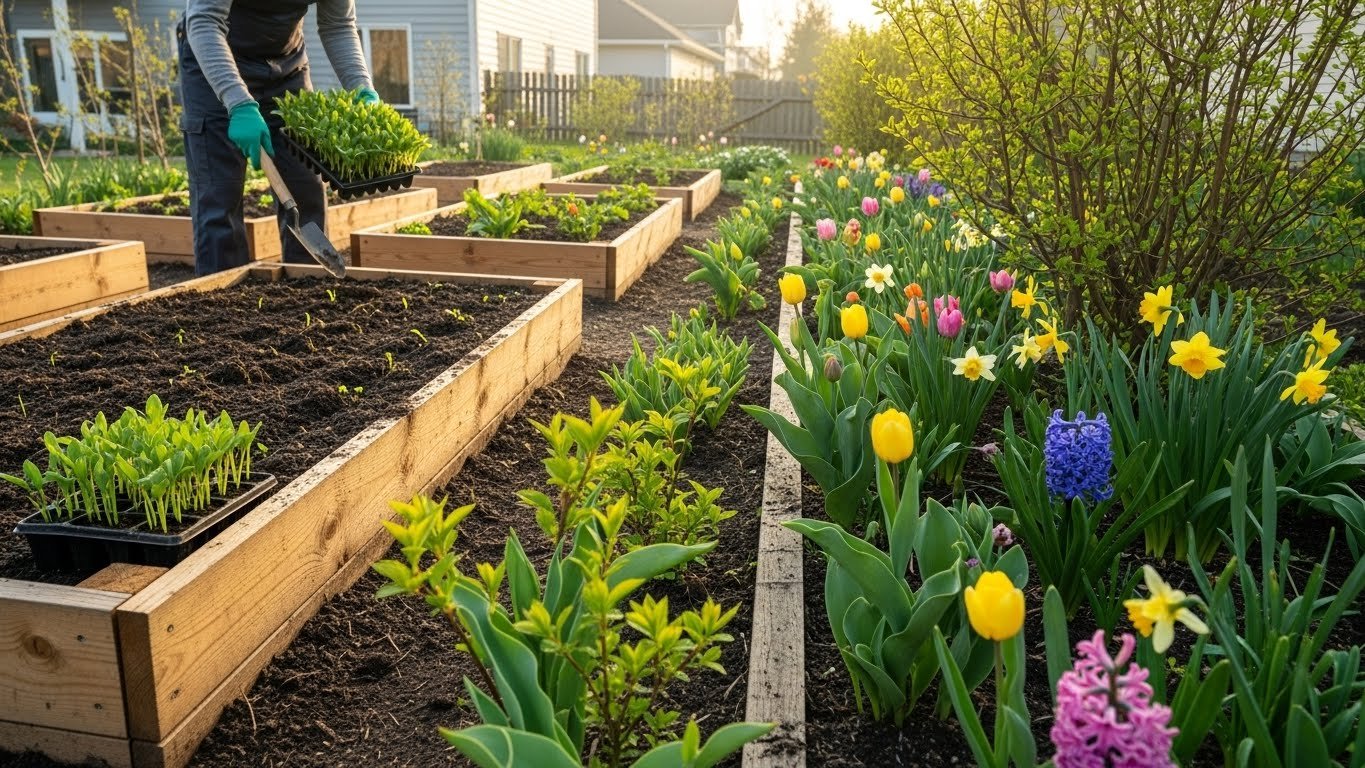
This spring gardening checklist USA homeowners can follow will help you prepare your garden correctly, avoid costly mistakes, and grow healthier plants.
But here’s the problem:
Spring doesn’t start at the same time everywhere in the USA.
A gardener in Florida, Texas, or California will start weeks earlier than someone in Michigan, New York, or Canada-border states. That’s why this spring gardening checklist is organized by tasks — and adjusted by USDA growing zones.
Whether you’re growing vegetables, flowers, or herbs, this guide will help you avoid common spring mistakes and start the season right.
This guide is part of our broader seasonal gardening resources, designed to help home gardeners plan each stage of the growing year.
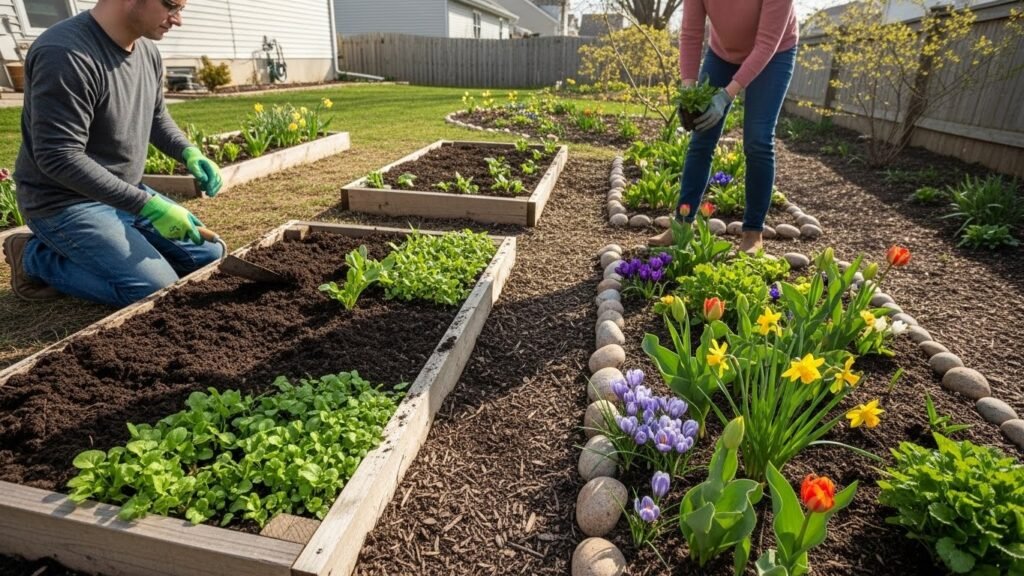
Spring Gardening Checklist USA: Know Your USDA Growing Zone
Before doing anything else, identify your USDA Plant Hardiness Zone. This determines:
- When you can safely plant outdoors
- Your frost risk
- What plants will survive in your area
Quick guide:
- Zones 3–5: Northern USA (cold climate)
- Zones 6–7: Moderate climate
- Zones 8–10: Southern & warmer regions
If you garden in a colder area, bookmark this guide and move slowly. Planting too early is one of the biggest spring gardening mistakes in the USA.
According to university extension gardening resources, planting times and frost risk vary significantly by region, which is why understanding your USDA growing zone is essential for spring gardening success.
Early Spring Gardening Tasks (Before Planting)
These tasks should be done as soon as the soil is workable, not frozen or waterlogged.
Clean Up Garden Beds
- Remove dead leaves and debris
- Pull early weeds
- Cut back dead perennial growth (avoid spring-flowering plants)
⚠️ Leave some leaf litter if possible — it protects beneficial insects.
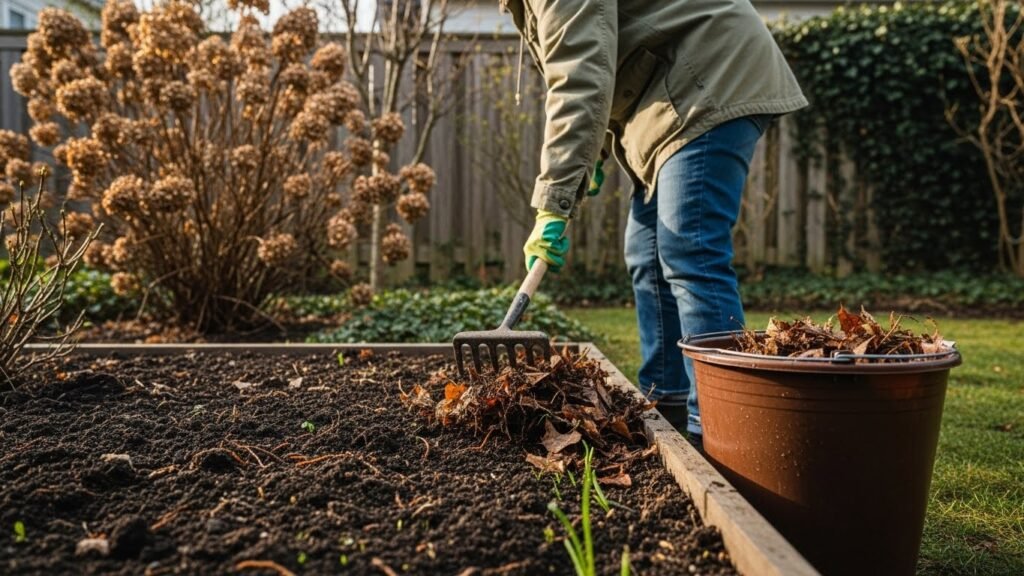
Test and Prepare the Soil
Healthy soil = healthy plants.
- Check soil drainage
- Add compost or aged manure
- Loosen compacted soil gently
Raised bed gardeners:
Spring is the best time to refresh soil with compost and organic matter.
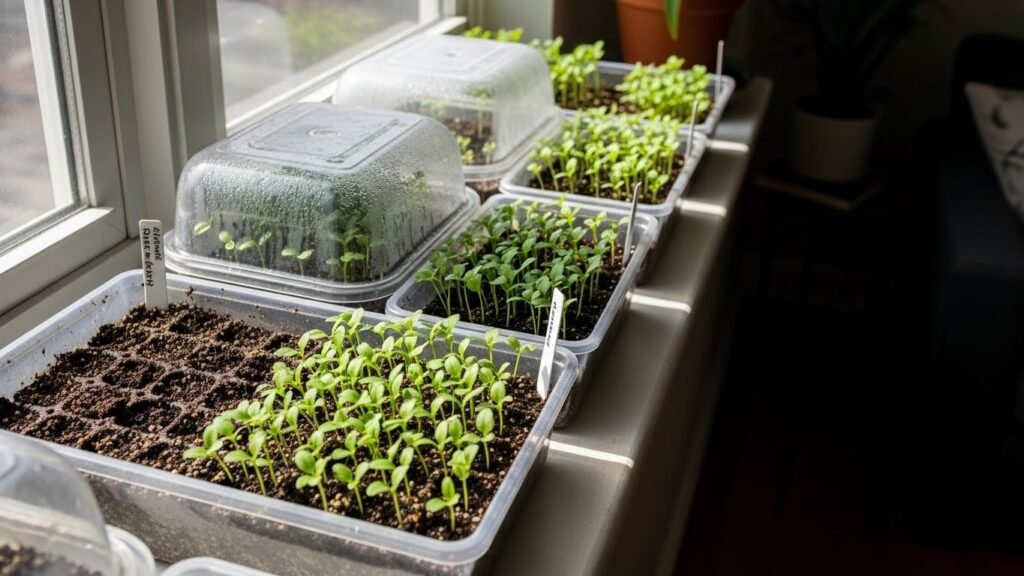
Start Seeds Indoors
In most US regions, early spring is too cold for direct planting.
Start indoors:
- Tomatoes
- Peppers
- Eggplants
- Herbs like basil
This gives your plants a strong head start before transplanting outdoors.
Prune at the Right Time
Prune:
- Dead or damaged branches
- Summer-flowering shrubs
- Fruit trees (before buds break)
❌ Do NOT prune spring-flowering shrubs yet — you’ll remove flower buds.
Mid-Spring Garden Tasks
This is when your garden really starts moving.
Prepare Garden Beds for Planting
- Rake soil smooth
- Add slow-release organic fertilizer
- Check spacing plans for vegetables
Crowding plants is a very common beginner mistake.
If you grow vegetables in raised beds, our raised bed gardening guide covers soil preparation, watering, and spacing in more detail.
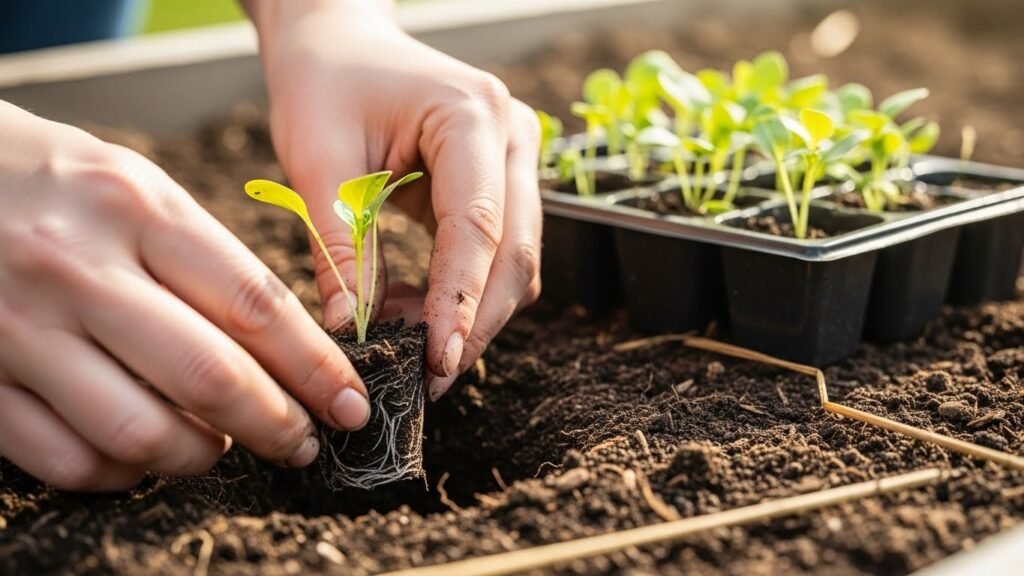
Transplant Seedlings Safely
Before moving plants outside:
- Harden off seedlings for 7–10 days
- Protect from wind and cold nights
- Water well after transplanting
Cold climate gardeners should keep frost protection ready.
Plant Cool-Season Crops
Depending on your zone, mid-spring is perfect for:
- Lettuce
- Spinach
- Peas
- Radishes
- Onions
These crops tolerate cooler temperatures and light frost.
Late Spring Garden Tasks
Late spring is when frost risk drops for most of the USA.
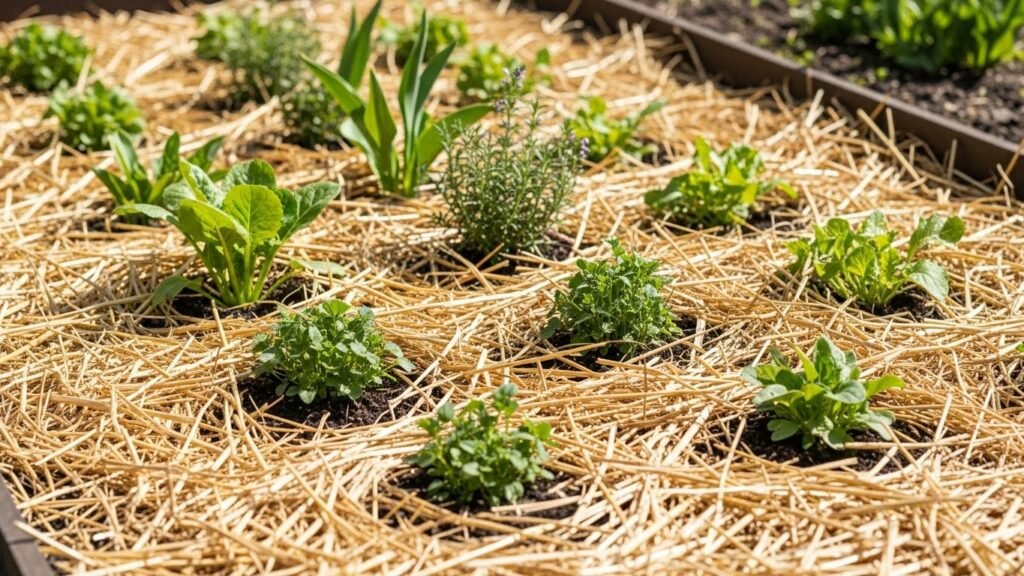
Mulch Your Garden Beds
Mulching helps:
- Retain moisture
- Control weeds
- Regulate soil temperature
Use:
- Straw
- Shredded leaves
- Wood chips (around shrubs)
Avoid piling mulch directly against plant stems.
Set Up Watering Routine
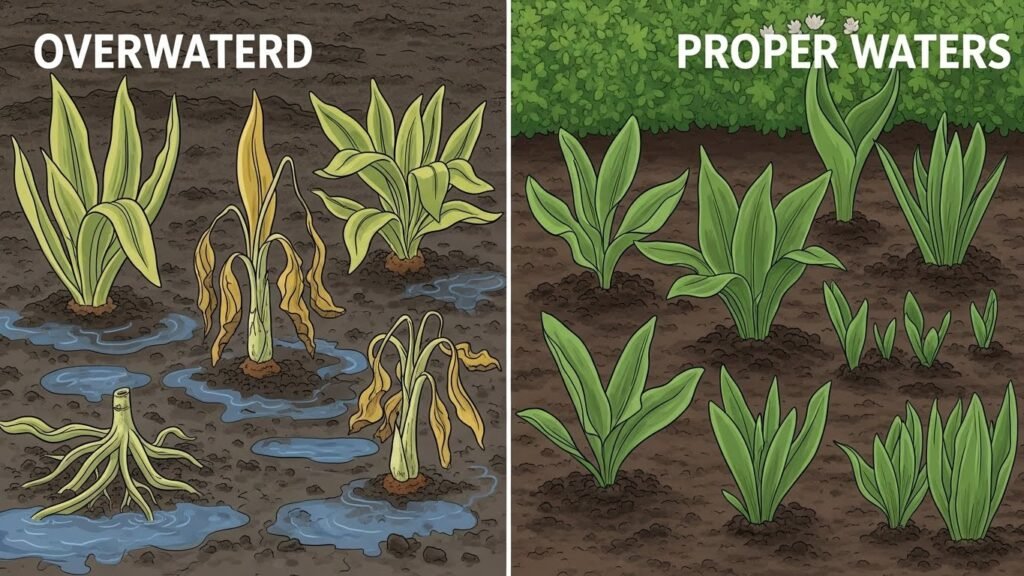
Spring watering mistakes can cause root rot later.
General rule:
- Water deeply
- Less frequently
- Adjust based on rainfall
Raised beds and containers dry out faster than in-ground gardens.
Start Pest Prevention Early
Spring is when pests multiply.
- Inspect leaves weekly
- Remove damaged leaves
- Encourage beneficial insects
Catching problems early prevents infestations in summer.
Common Spring Gardening Mistakes
Many spring garden failures come from simple mistakes.
1. Planting Too Early
A few warm days don’t mean winter is over. Late frosts are common in Zones 3–6.
2. Overwatering
Cold soil holds moisture longer. Too much water leads to root rot.
3. Skipping Soil Prep
Plants can’t thrive in compacted or nutrient-poor soil.
4. Ignoring Sun Requirements
Most vegetables need 6–8 hours of direct sunlight.
Spring Planting Tips by USDA Zone
| USDA Zone | When to Start Planting | Key Advice |
|---|---|---|
| Zones 3–4 | Late April – May | Watch for frost |
| Zones 5–6 | Early to Mid-April | Protect seedlings |
| Zones 7–8 | March – Early April | Monitor heat |
| Zones 9–10 | February – March | Mulch early |
Frequently Asked Questions (FAQ)
When should I start spring gardening in the USA?
Spring gardening usually begins when the soil is workable and temperatures stay above freezing. This ranges from February in warm states to late April or May in colder regions.
What vegetables can I plant early in spring?
Early spring vegetables include: Lettuce, Spinach, Peas, Radishes, Onions. These crops tolerate cool temperatures and light frost.
Can frost still damage plants in spring?
Yes. Late frosts are common in many US regions. Always monitor weather forecasts and protect plants when temperatures drop below 32°F (0°C).
1 Comment
Pingback: How Often to Water Indoor Plants (Complete Beginner’s Guide)