
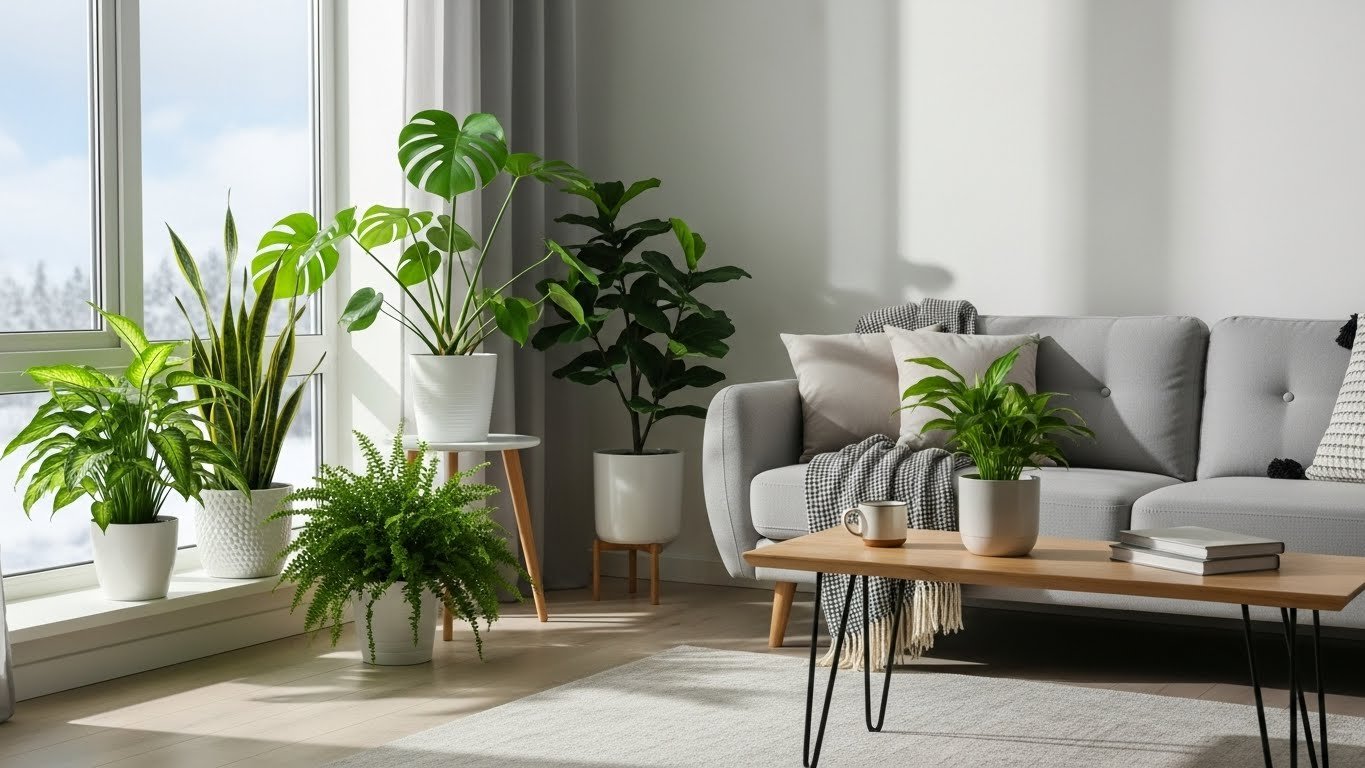
Winter Isn’t Killing Your Plants — These Common Mistakes Are
Winter is one of the most misunderstood seasons in indoor gardening. While outdoor plants clearly go dormant, indoor plants often look fine on the surface—until leaves yellow, growth stalls, or pests appear. Shorter daylight hours, dry indoor air, heating systems, and colder window temperatures quietly change how plants behave indoors.
Many plant problems during winter don’t come from neglect. They come from continuing summer care routines when plants no longer need them.
This guide breaks down 15 essential winter indoor plant care tips that help houseplants survive—and stay healthy—through winter in the USA, Canada, and Europe. These are not quick hacks or trends. They’re stable, experience-based practices used by professional growers and long-time home gardeners.
Why Winter Changes Everything for Indoor Plants
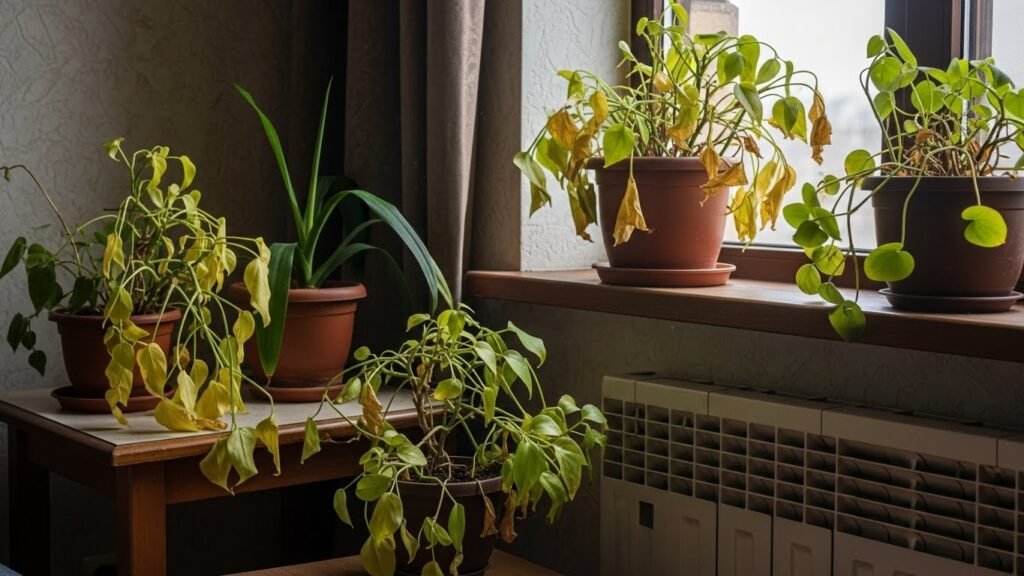
Winter indoor plant care is about adjusting expectations and routines, not doing more work. As daylight hours shorten and temperatures drop, most houseplants naturally slow their growth. This doesn’t mean a plant is dying—it means it has entered a resting phase.
During winter, plants undergo several natural changes:
- Growth slows or pauses completely
- Water and nutrient needs decrease
- Sensitivity to cold drafts and dry air increases
Ignoring these seasonal shifts is one of the main reasons indoor plants struggle in winter. Continuing summer watering habits, fertilizing out of routine, or leaving plants in the same locations often leads to overwatering, fertilizer burn, and stress damage.
According to guidance from the Royal Horticultural Society, indoor plants require adjusted watering, light, and humidity management during winter months to stay healthy.
Winter care matters because damage is often delayed. Stress accumulated during winter frequently appears in spring as root rot, weak or leggy growth, pest infestations, or slow recovery. Proper winter care keeps plants stable, disease-free, and ready to grow when light levels increase.
In real homes, winter conditions vary widely. Heated apartments dry out air quickly, homes near windows experience cold drafts, and short daylight hours reduce photosynthesis even in bright rooms. Effective winter care is about adapting your setup—watering less, managing light carefully, and protecting plants from temperature and humidity extremes.
How often you should water indoor plants
How to Do It Correctly: 15 Winter Indoor Plant Care Tips
1. Reduce Watering Frequency
Most indoor plants need 30–50% less water in winter. Reduced light slows photosynthesis, and cooler temperatures slow root activity. As a result, soil stays wet much longer than in summer.
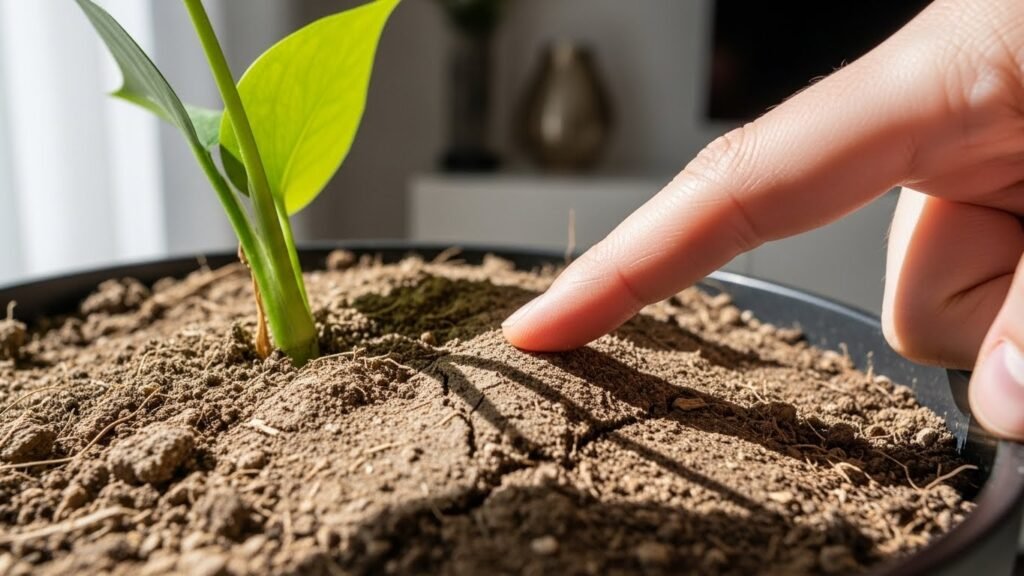
Watering on a fixed schedule is the fastest way to cause root problems. Always check soil moisture first. If soil still feels damp below the surface, wait. In winter, underwatering is far safer than overwatering.
2. Let Soil Dry Slightly Between Watering
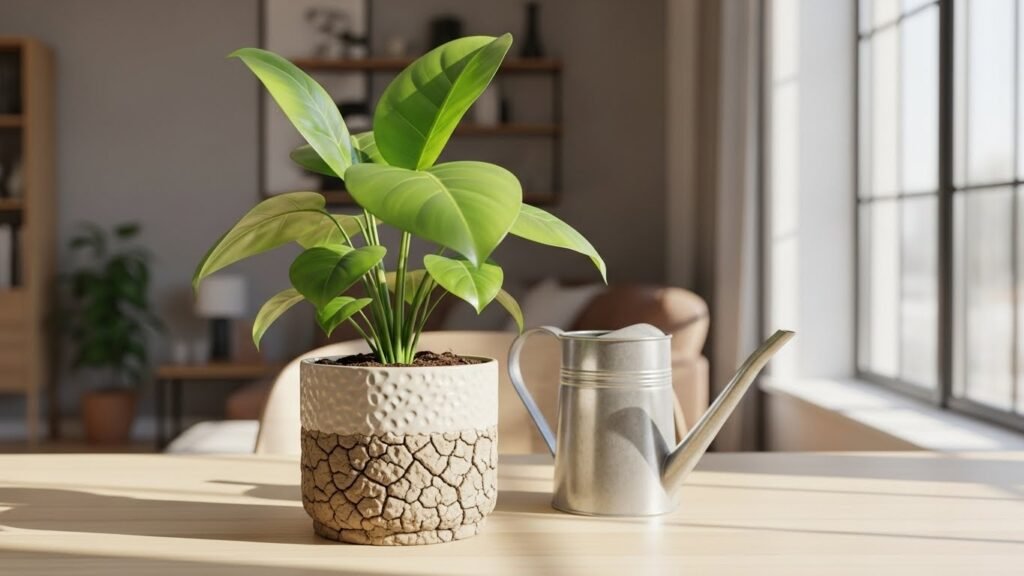
Constantly moist soil deprives roots of oxygen and encourages fungal growth. Allowing the top 1–2 inches of soil to dry helps maintain healthy root conditions.
Most houseplants tolerate slight dryness well in winter. Succulents, cacti, and drought-tolerant plants require soil to dry almost completely before watering again.
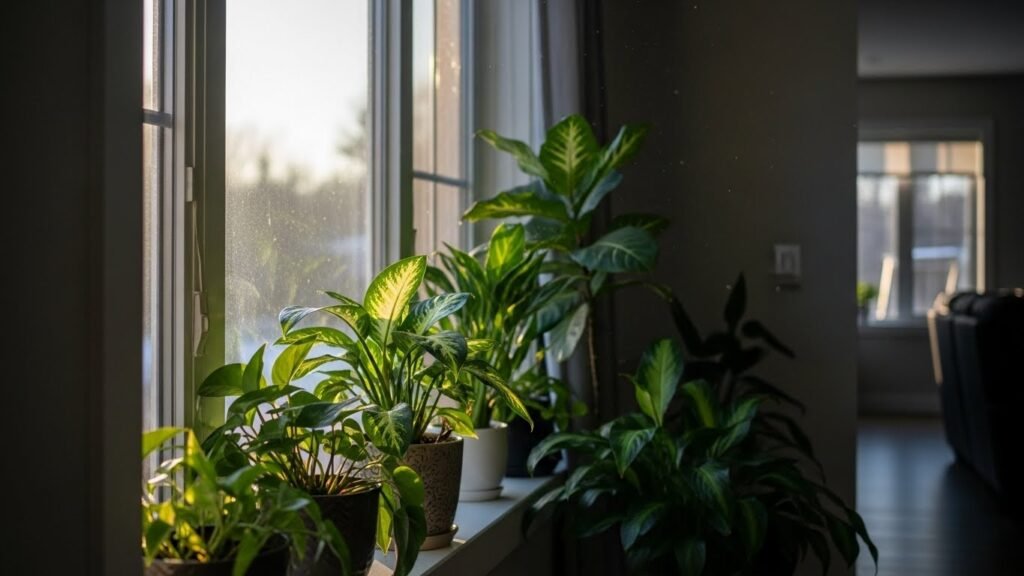
3. Move Plants Closer to Natural Light — Use Windows Carefully
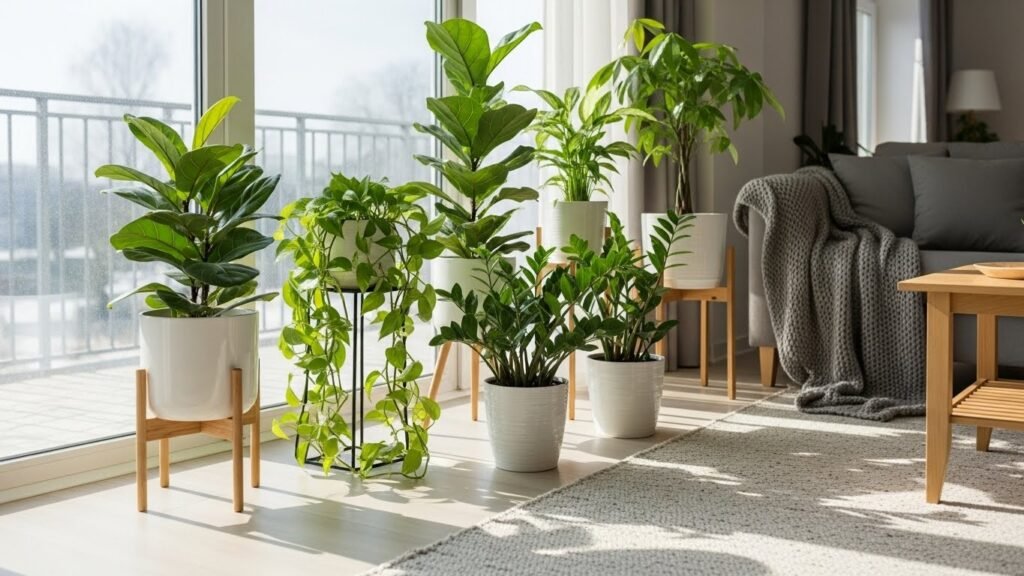
Winter light is weaker and arrives at a lower angle. Plants that thrived farther from windows in summer often struggle in winter.
Move plants closer to south- or west-facing windows where possible. In colder regions like Canada and Northern Europe, avoid letting leaves touch cold glass, which can cause leaf damage overnight.
4. Clean Dust Off Leaves Regularly
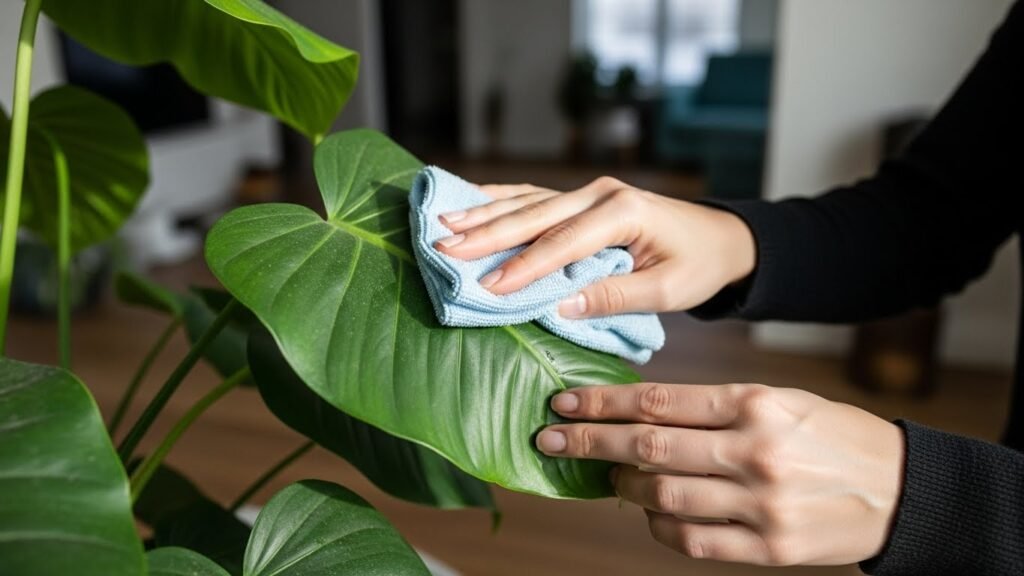
Dust buildup reduces light absorption—especially harmful during winter when light is already limited. A thin dust layer can significantly reduce photosynthesis.
Wipe leaves gently with a damp cloth every few weeks. This also helps you spot pests or early stress symptoms.
5. Increase Humidity Indoors
Heating systems—forced-air in many U.S. homes and radiators across Europe—dry indoor air quickly. Many houseplants evolved in humid environments and struggle when humidity drops too low.
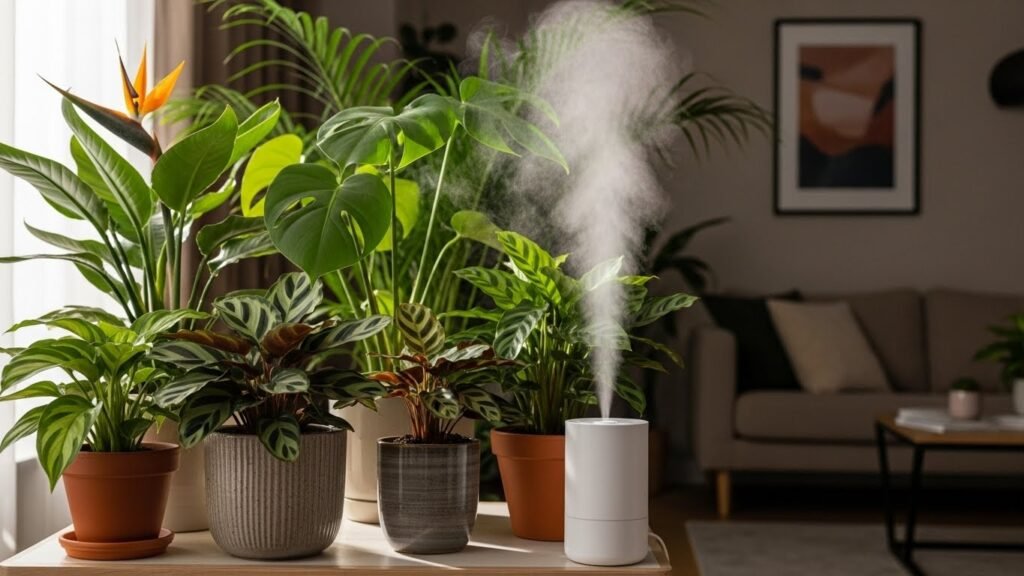
Use a humidifier, place water trays nearby, or group plants together to raise local humidity. Consistency is more important than occasional misting.
20 Best Air-Purifying Indoor Plants for Healthier Homes
6. Keep Plants Away from Heaters & Vents
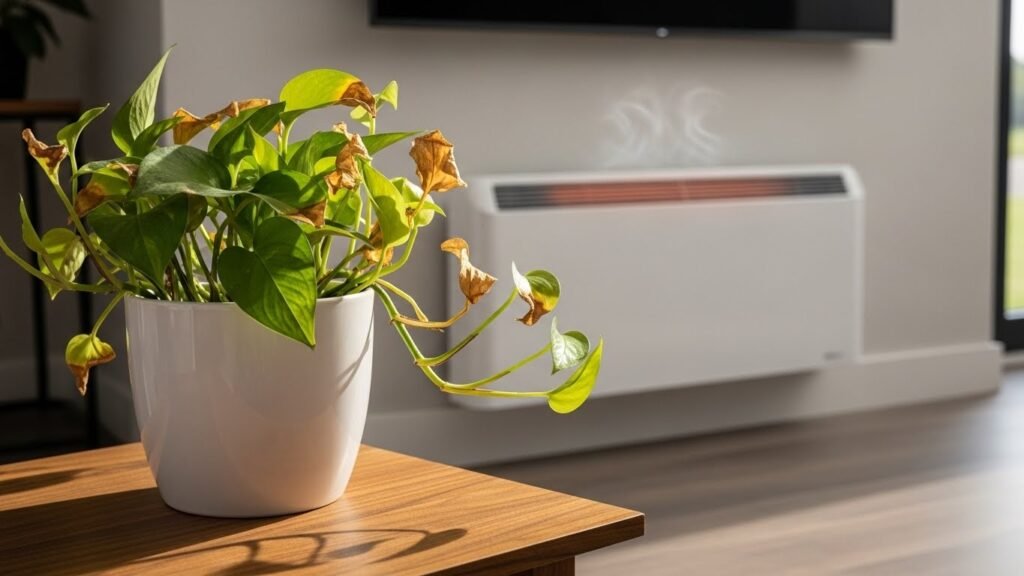
Direct exposure to hot, dry air causes rapid moisture loss from leaves. Plants near heaters or vents often develop brown tips, curling leaves, or sudden leaf drop.
Keep plants away from heat sources and ensure airflow remains gentle and indirect.
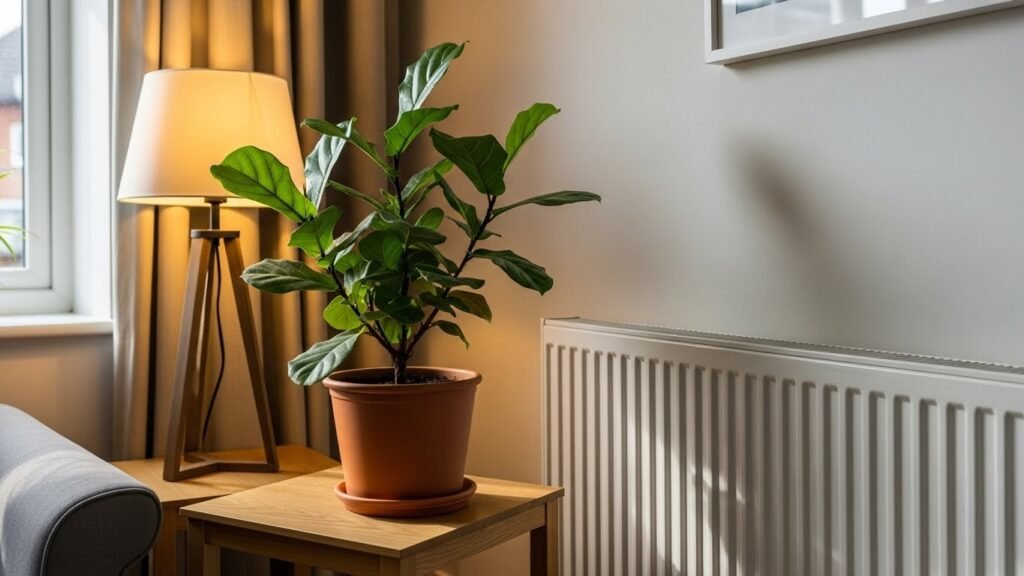
7. Maintain Stable Temperatures
Most indoor plants prefer 65–75°F (18–24°C) during the day with slightly cooler nights. Sudden temperature swings—warm days and cold nights near windows—cause stress.
Avoid placing plants near drafty doors, frequently opened windows, or exterior walls during extreme cold.
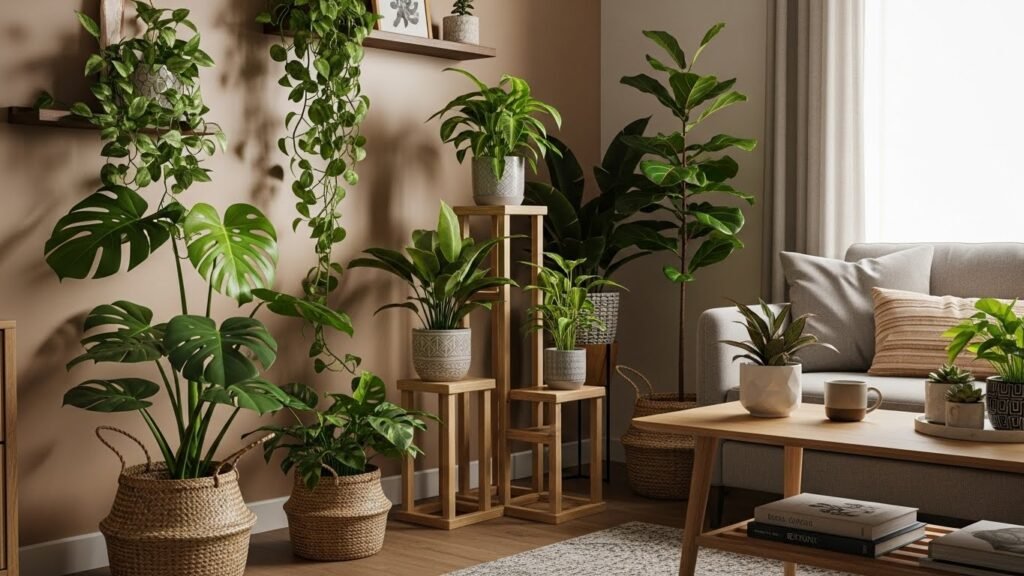
8. Stop or Reduce Fertilizing
Fertilizer supports active growth, which most indoor plants are not doing in winter. Fertilizing now often leads to salt buildup in soil and root damage.
Pause fertilizing until spring. If a plant continues slow growth under strong light, use fertilizer at ¼ strength, and only occasionally.
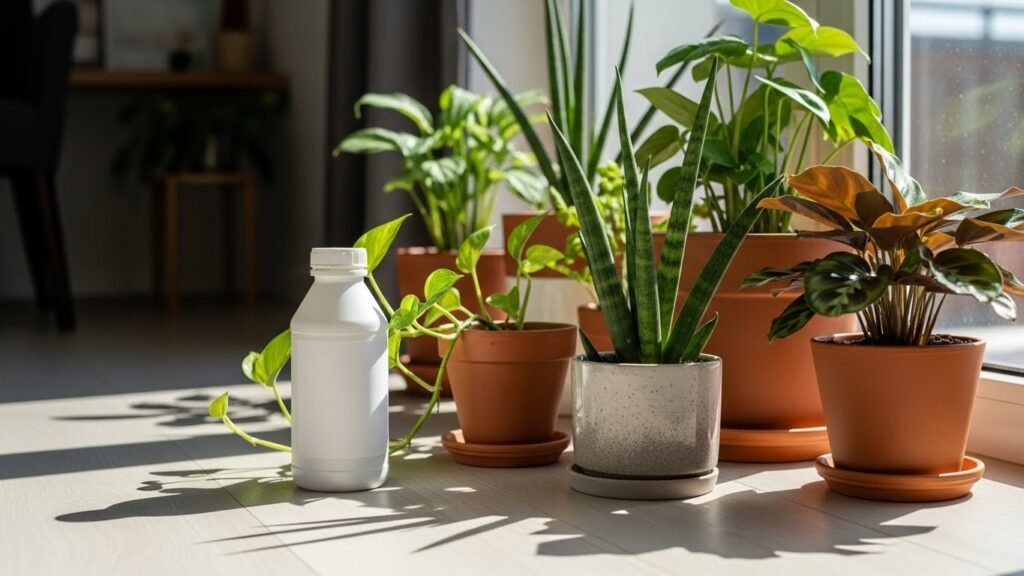
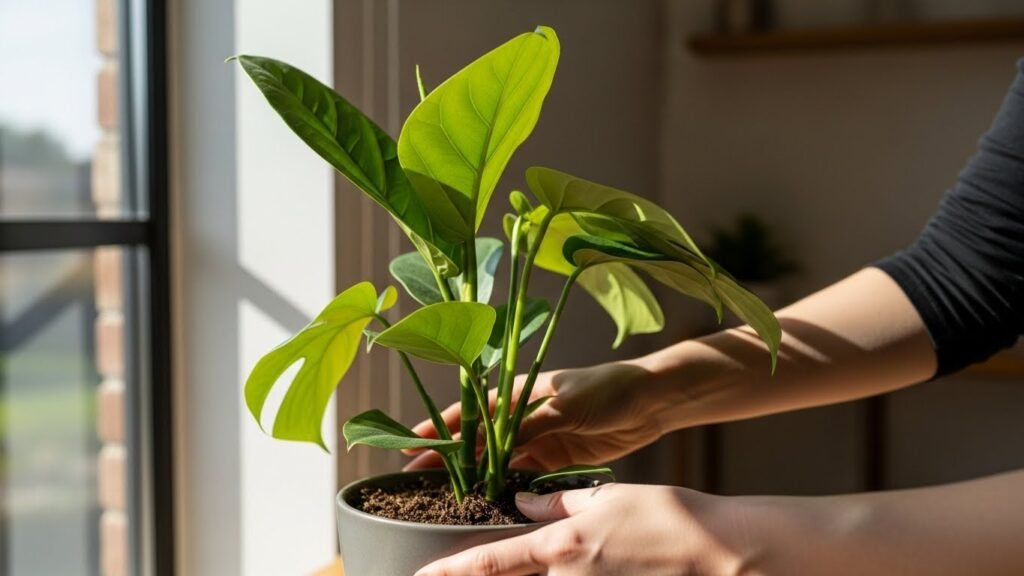
9. Rotate Plants Weekly for Even Light
Winter light usually comes from one direction. Without rotation, plants stretch unevenly and develop weak growth.
Rotate pots slightly each week to keep growth balanced and prevent leaning.
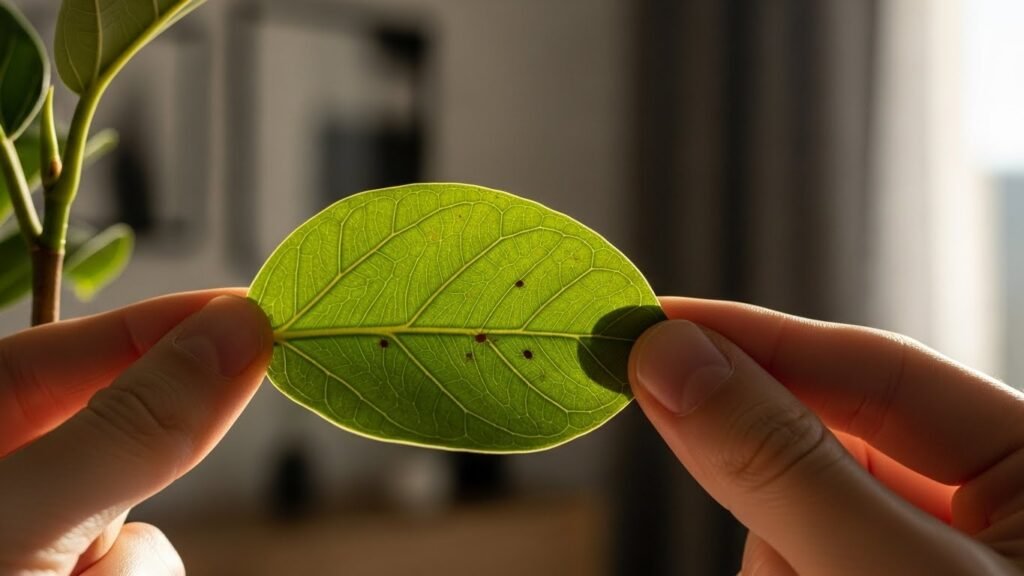
10. Watch for Pests — Winter Is High Risk
Dry indoor air and stressed plants attract pests such as spider mites, fungus gnats, and mealybugs. These pests multiply quickly indoors.
Inspect leaf undersides, stems, and soil surfaces weekly. Early detection makes treatment much easier.
Winter Indoor Plant Care Checklist
11. Prune Dead or Yellow Leaves
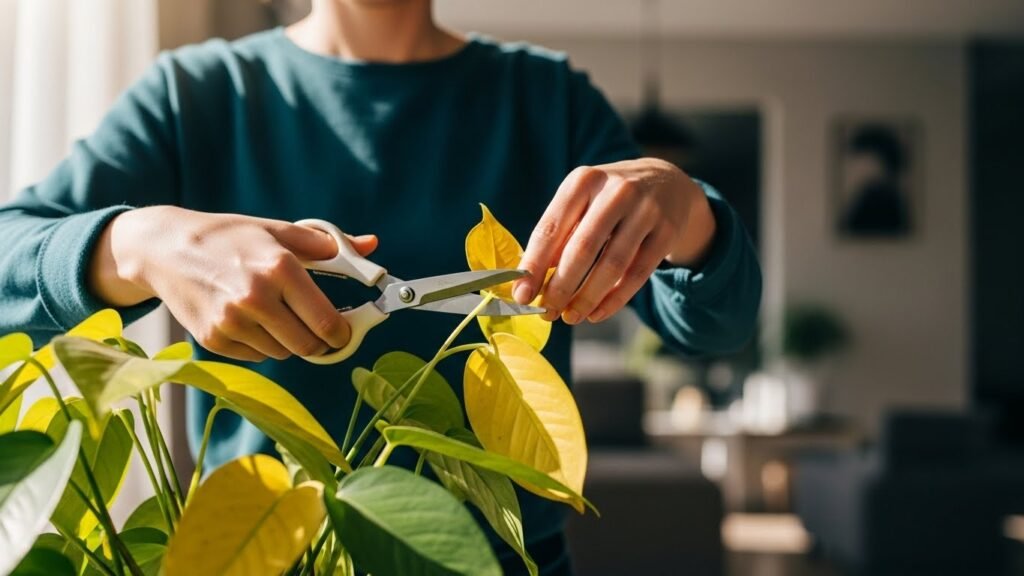
Damaged or yellow leaves drain energy without benefiting the plant. Removing them improves airflow and reduces disease risk.
Use clean, sharp scissors and prune conservatively. Winter is maintenance season, not reshaping season.
12. Avoid Repotting in Winter
Repotting disrupts roots and forces plants to adapt at a time when recovery is slow. Unless there is active root rot or severe drainage failure, wait until spring.
Winter repotting often leads to stress and delayed recovery.
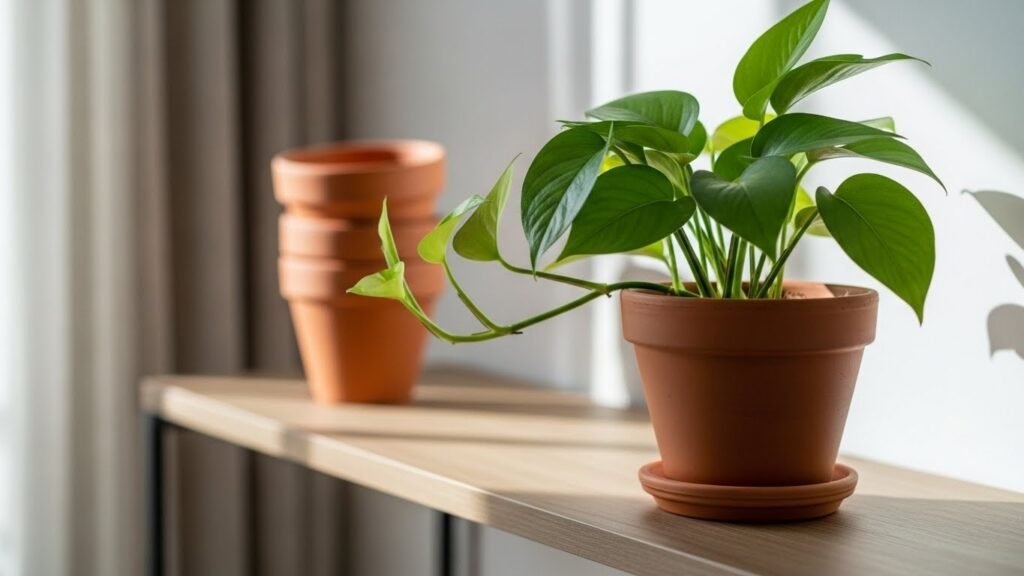
13. Use Well-Draining Soil
Winter soil dries slowly due to reduced evaporation. Poor drainage traps excess moisture around roots.
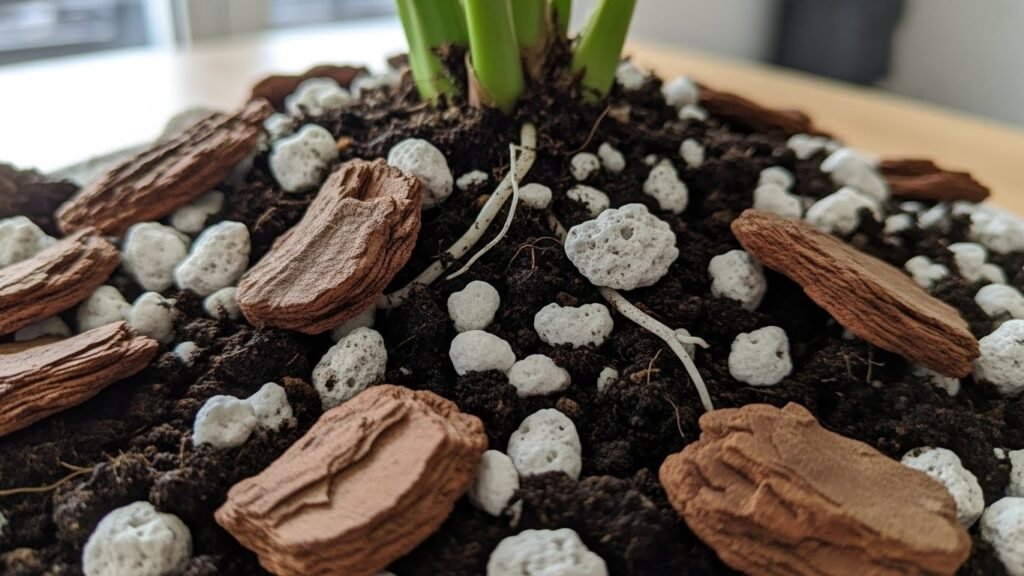
Ensure pots have drainage holes and soil contains materials like perlite or bark to improve airflow and water movement.
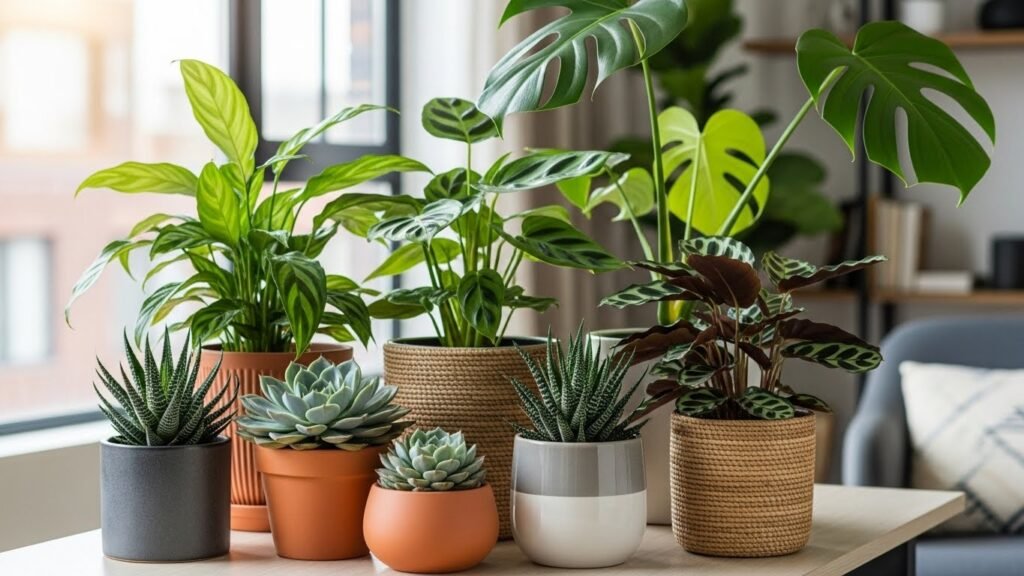
14. Adjust Care Based on Plant Type
Not all plants respond the same way in winter:
- Succulents, cacti, snake plants: very little water
- Tropical plants: reduced water but higher humidity
- Low-light plants: slower growth, minimal care
Treating all plants the same is a common winter mistake.
15. Observe, Don’t Panic
Some leaf drop, slower growth, or minor color changes are normal in winter. Overreacting often causes more harm than the issue itself.
Focus on stability. Maintain consistent conditions and allow plants to rest naturally until spring.
Best Herbs to Grow Indoors on a Budget
Healthy Winter Plants Mean Stronger Spring Growth
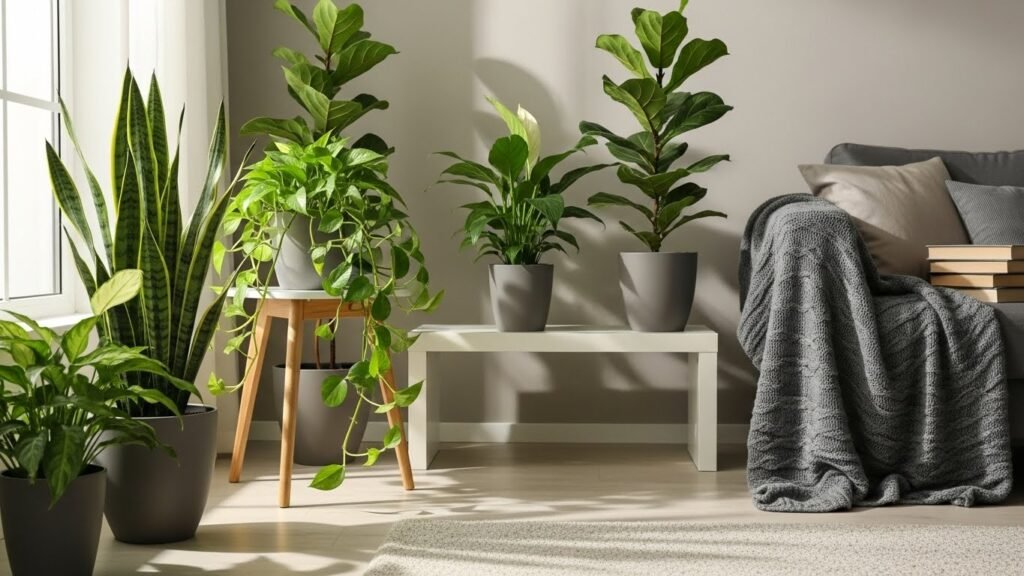
Winter care is not about forcing growth—it’s about preventing stress. Plants that remain stable through winter develop stronger root systems and recover faster when daylight increases.
By watering less, managing light carefully, maintaining humidity, and avoiding unnecessary changes, you give your indoor plants exactly what they need during the cold months.
Signs You’re Doing It Wrong
Common winter warning signs:
- Yellowing leaves → overwatering
- Drooping despite wet soil → root stress
- Brown leaf edges → low humidity
- Mold on soil → poor airflow
Catching these early prevents permanent damage.
How to Fix Common Winter Plant Problems
Winter plant problems are usually the result of environmental stress, not disease. The key is correcting conditions early before damage spreads.
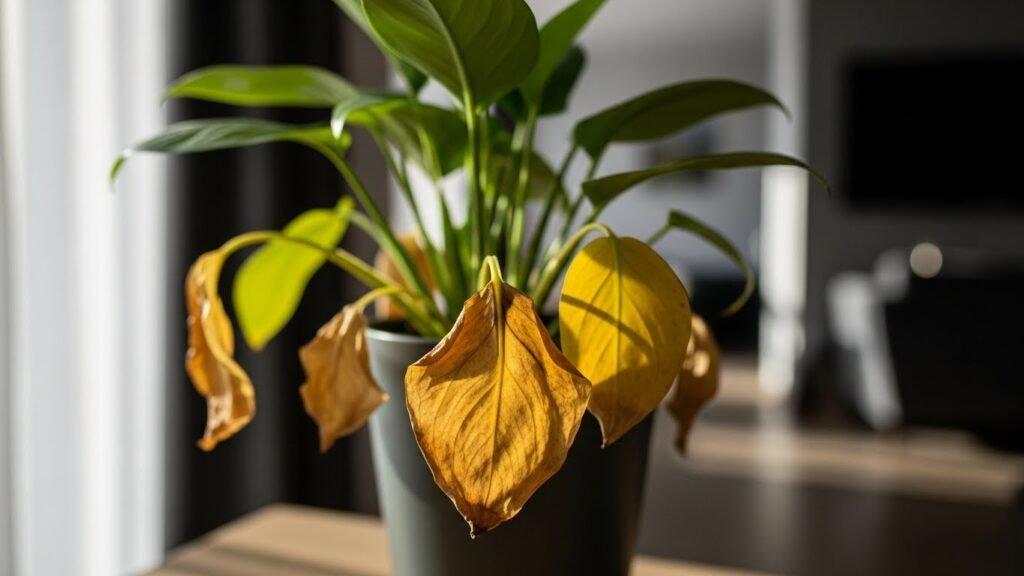
1. Problem: Yellow Leaves
Yellowing leaves in winter are most often caused by excess moisture around the roots. When light levels drop, plants use water more slowly, causing soil to stay wet longer than expected.
Fix:
Reduce watering immediately and allow soil to dry slightly between waterings. Check that pots have proper drainage holes and that excess water can escape freely. If soil remains wet for many days, switch to a better-draining potting mix in spring.
2. Problem: Dry or Brown Leaf Tips
Dry leaf tips are a classic sign of low humidity, especially in homes with heating systems. Warm air holds less moisture, causing plants to lose water faster through their leaves.
Fix:
Increase humidity using a humidifier or by grouping plants together. Move affected plants away from heaters, radiators, and vents. Consistent humidity is far more effective than occasional misting.
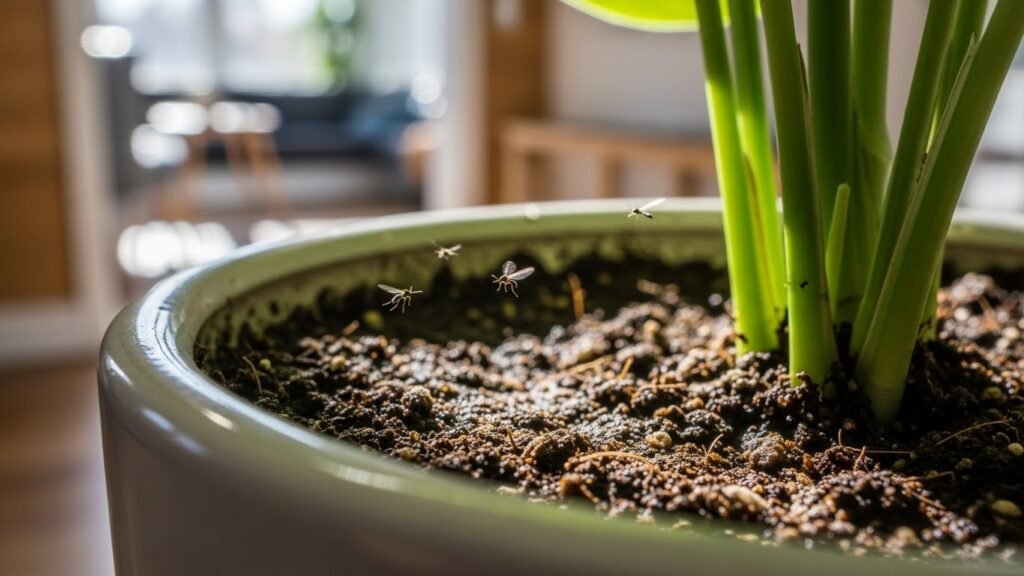
3. Problem: Fungus Gnats
Fungus gnats thrive in moist soil and are most common in winter due to slower soil drying. While adults are mostly annoying, larvae can damage roots if populations grow.
Fix:
Allow the top layer of soil to dry more thoroughly between watering. Use yellow sticky traps to reduce adult populations and break the breeding cycle. Improving airflow and drainage prevents recurring issues.
Seasonal & Environmental Factors That Affect Winter Care
Indoor plant care in winter is highly dependent on where and how you live, not just the season itself.
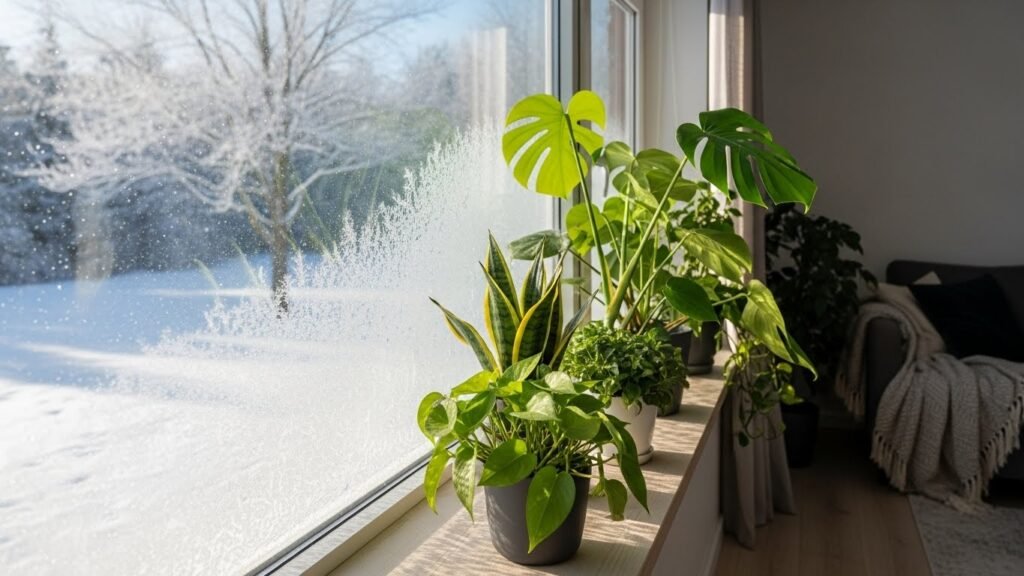
1. Cold Climates
In colder regions, plants near windows are exposed to cold drafts and freezing glass temperatures. Even well-lit areas can cause stress if nighttime temperatures drop sharply.
What to do:
Keep plants slightly away from windows during extreme cold, especially overnight. Insulate window areas if needed and avoid placing plants near exterior doors.
2. Mild Climates
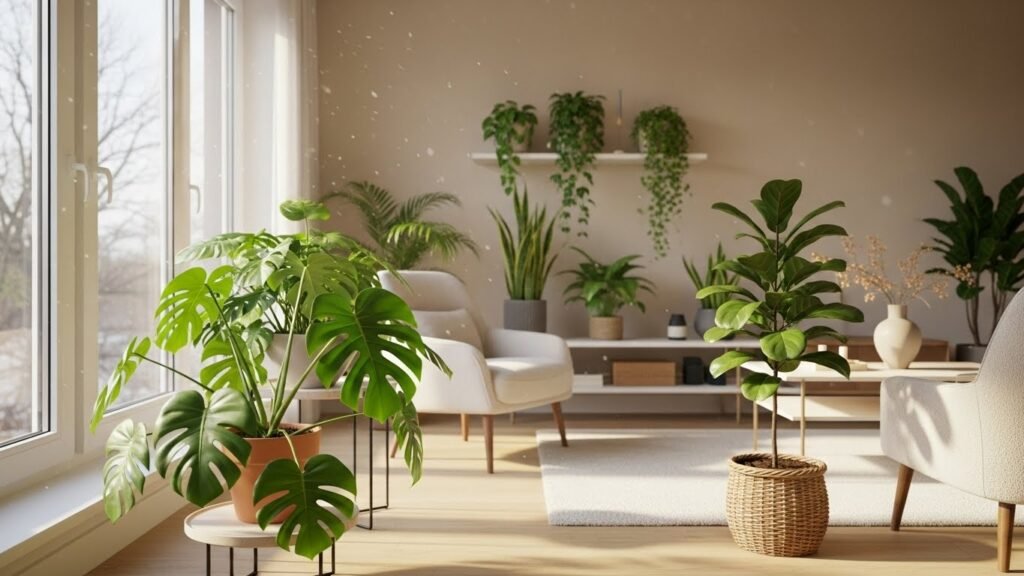
In milder winter regions, temperature stress is lower, but light levels are still reduced. Overwatering remains a common issue because plants still grow slowly.
What to do:
Resist the urge to water more frequently just because temperatures feel comfortable. Monitor soil moisture carefully and prioritize light placement.
3. Apartments & Indoor Heating
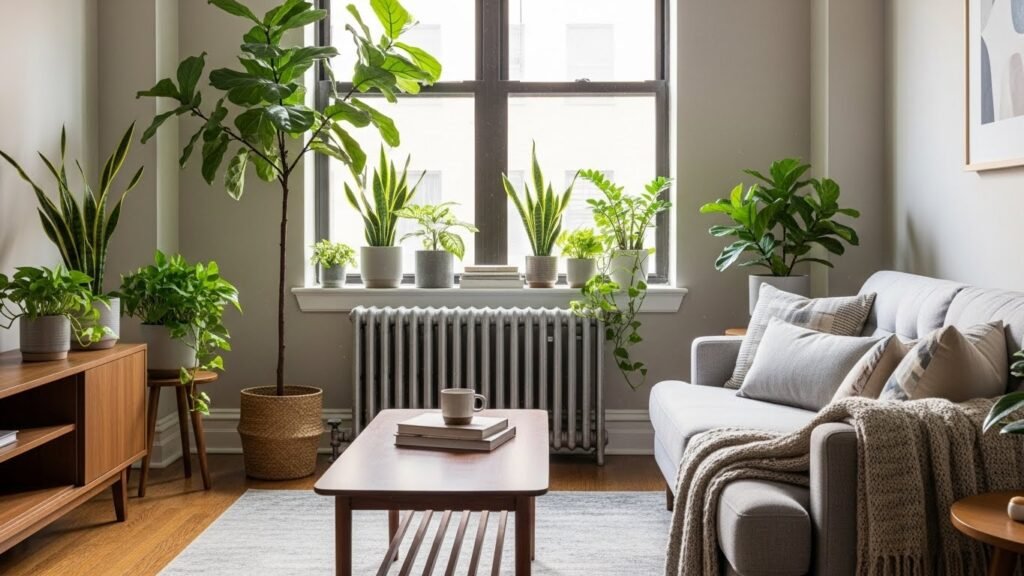
Apartments often have stable temperatures but extremely dry air due to continuous heating. This affects tropical plants the most.
What to do:
Focus on humidity control rather than temperature. A small humidifier can make a noticeable difference in plant health during winter months.
Beginner Mistakes to Avoid During Winter
Many winter plant failures happen with good intentions. Avoiding these mistakes alone can keep most houseplants healthy.
- Watering on a fixed schedule: Soil moisture changes slowly in winter; schedules don’t work.
- Fertilizing out of habit: Plants aren’t actively growing and can’t use nutrients efficiently.
- Keeping plants in dark corners: Reduced light weakens plants over time.
- Ignoring humidity needs: Dry air causes gradual stress that often goes unnoticed.
- Repotting “just because”: Root disturbance during dormancy slows recovery.
Winter success comes from restraint, not intervention.
Best Practices & Expert Tips for Winter Indoor Plants
Experienced gardeners focus on consistency and observation, not frequent adjustments.
- Use a moisture meter if you’re unsure about watering, especially with larger pots.
- Group humidity-loving plants together to create a stable microclimate.
- Keep a simple winter care checklist to avoid unnecessary fertilizing or repotting.
- Observe plants weekly rather than daily to notice trends instead of reacting to minor changes.
Small, steady habits prevent major problems.
Tools & Supplies That Make Winter Care Easier
You don’t need many tools, but the right ones reduce guesswork and stress.
- Moisture meter: Helps prevent overwatering when soil dries slowly.
- Small humidifier: Provides consistent humidity without daily effort.
- Grow lights (optional): Useful in very low-light homes, especially in northern regions.
- Pruning scissors: Clean cuts reduce disease risk when removing damaged leaves.
- Well-draining potting mix: Essential for preventing root problems during winter.
These tools help maintain stability, which is the foundation of healthy winter plants.
Conclusion
Winter indoor plant care is quiet, deliberate, and patient. When you respect seasonal changes and adjust your routine, indoor plants don’t just survive winter—they emerge healthier and stronger when spring arrives.
Frequently Asked Questions About Winter Indoor Plant Care
Do indoor plants need different care in winter?
Yes. Reduced daylight and dry indoor air slow growth and change how plants use water. Winter care focuses on stability, not growth.
How often should I water indoor plants in winter?
Water less frequently than in summer. Always check soil moisture first—most plants need water only after the top soil dries.
Why do indoor plant leaves turn yellow in winter?
Yellow leaves are usually caused by overwatering. Slower growth means roots absorb water more slowly during winter.
Is it normal for houseplants to drop leaves in winter?
Some leaf drop is normal. Heavy or sudden leaf loss usually indicates stress from excess water, cold drafts, or dry air.
Should I fertilize indoor plants during winter?
No. Most plants are resting and cannot use fertilizer efficiently. Resume feeding in spring when growth returns.
Do indoor plants need more light in winter?
They need better light placement, not longer exposure. Move plants closer to bright windows while avoiding cold glass.
Why do leaf tips turn brown in winter?
Brown tips are usually caused by low humidity from indoor heating, not lack of water.
Are pests more common on indoor plants in winter?
Yes. Dry air and stressed plants attract pests like spider mites and fungus gnats.
Can I repot indoor plants in winter?
Avoid repotting unless roots are rotting. Winter recovery is slow, and repotting adds stress.
Do succulents need water in winter?
Yes, but very little. Water only after soil has dried completely.
Can indoor plants survive winter without grow lights?
Most common houseplants can survive winter without grow lights, though growth may slow.
What is the biggest winter mistake with indoor plants?
Overwatering. Treating winter like summer causes most indoor plant problems.
How do I know if my plant is resting or dying?
Resting plants change slowly. Rapid yellowing, mushy stems, or moldy soil signal serious problems.